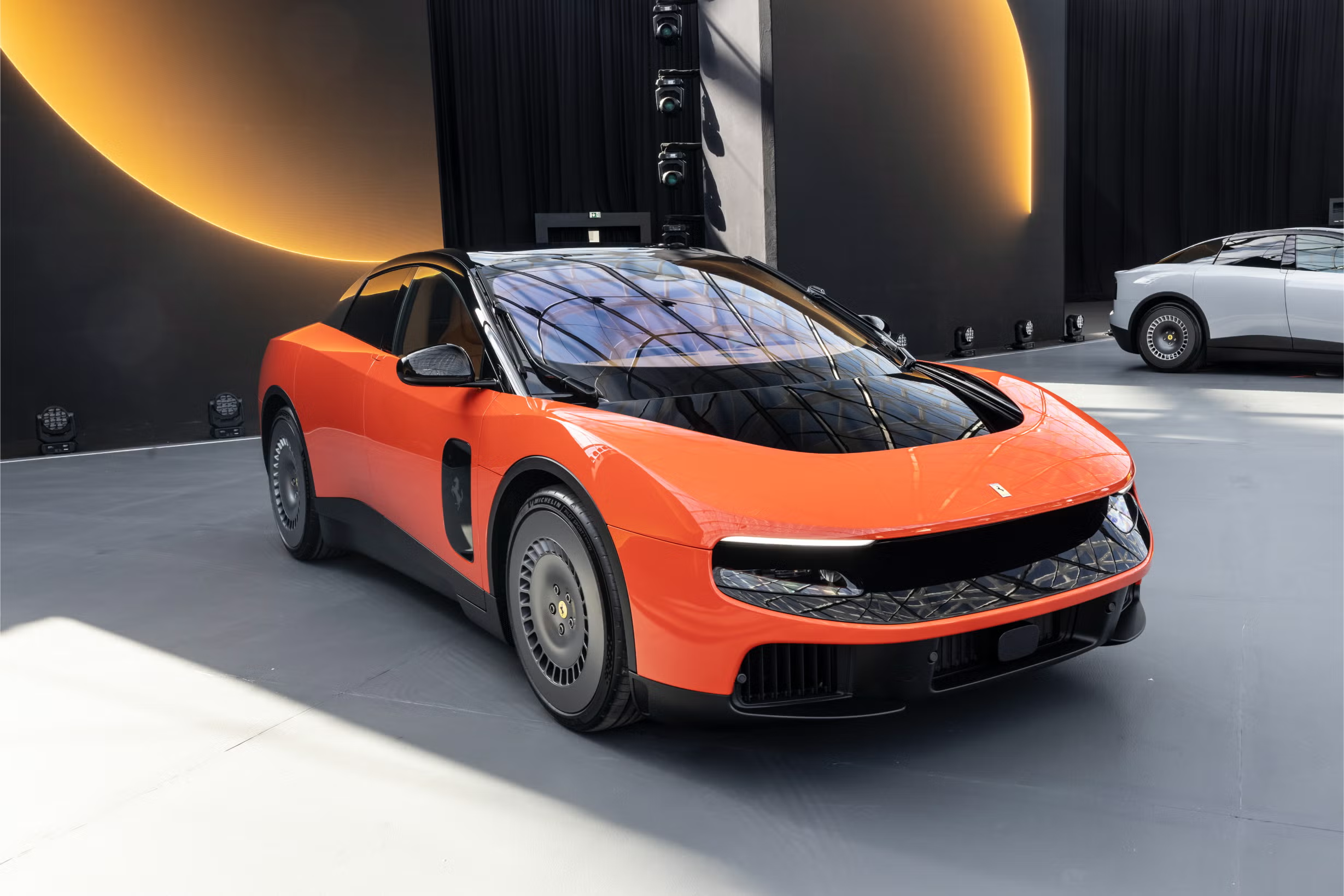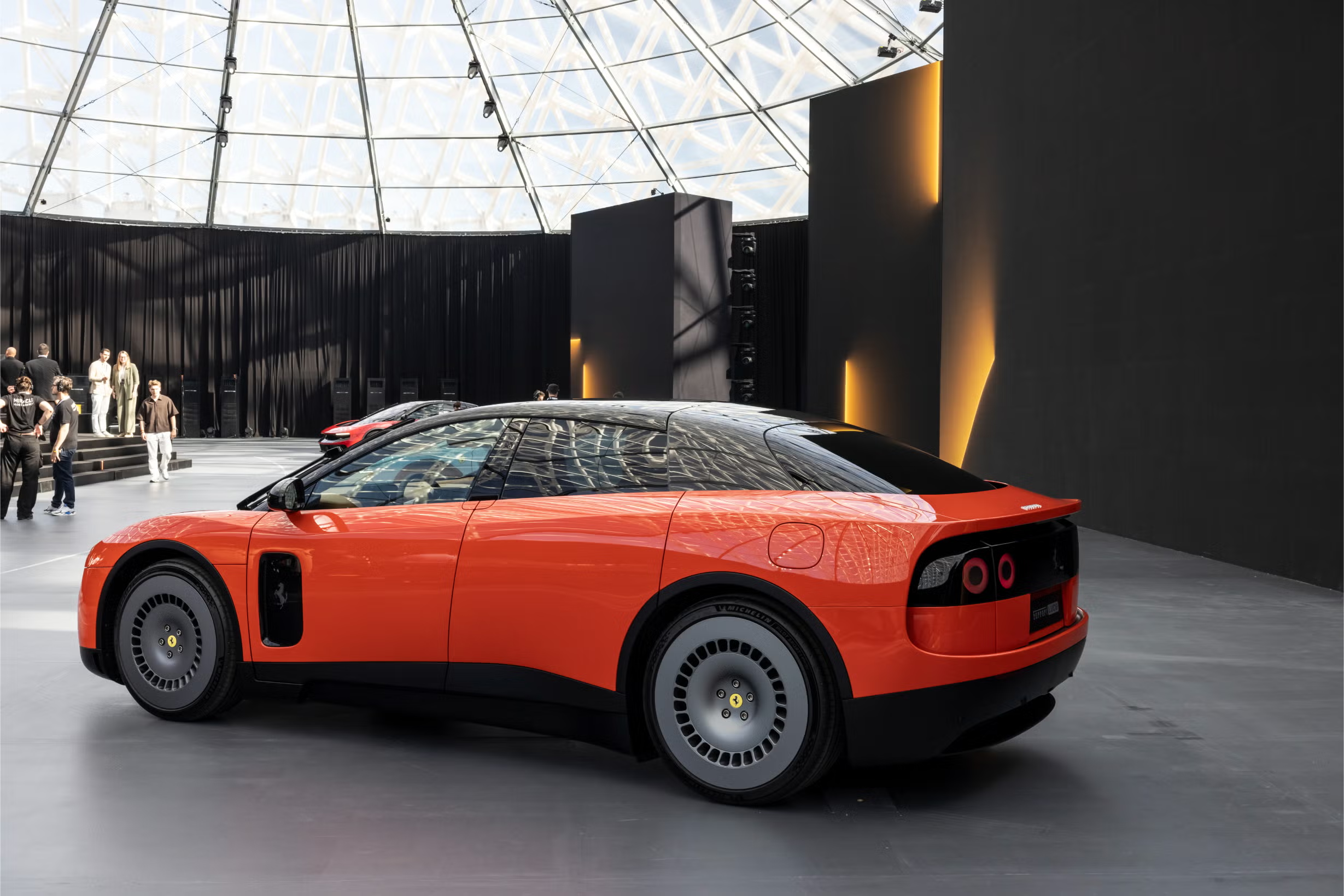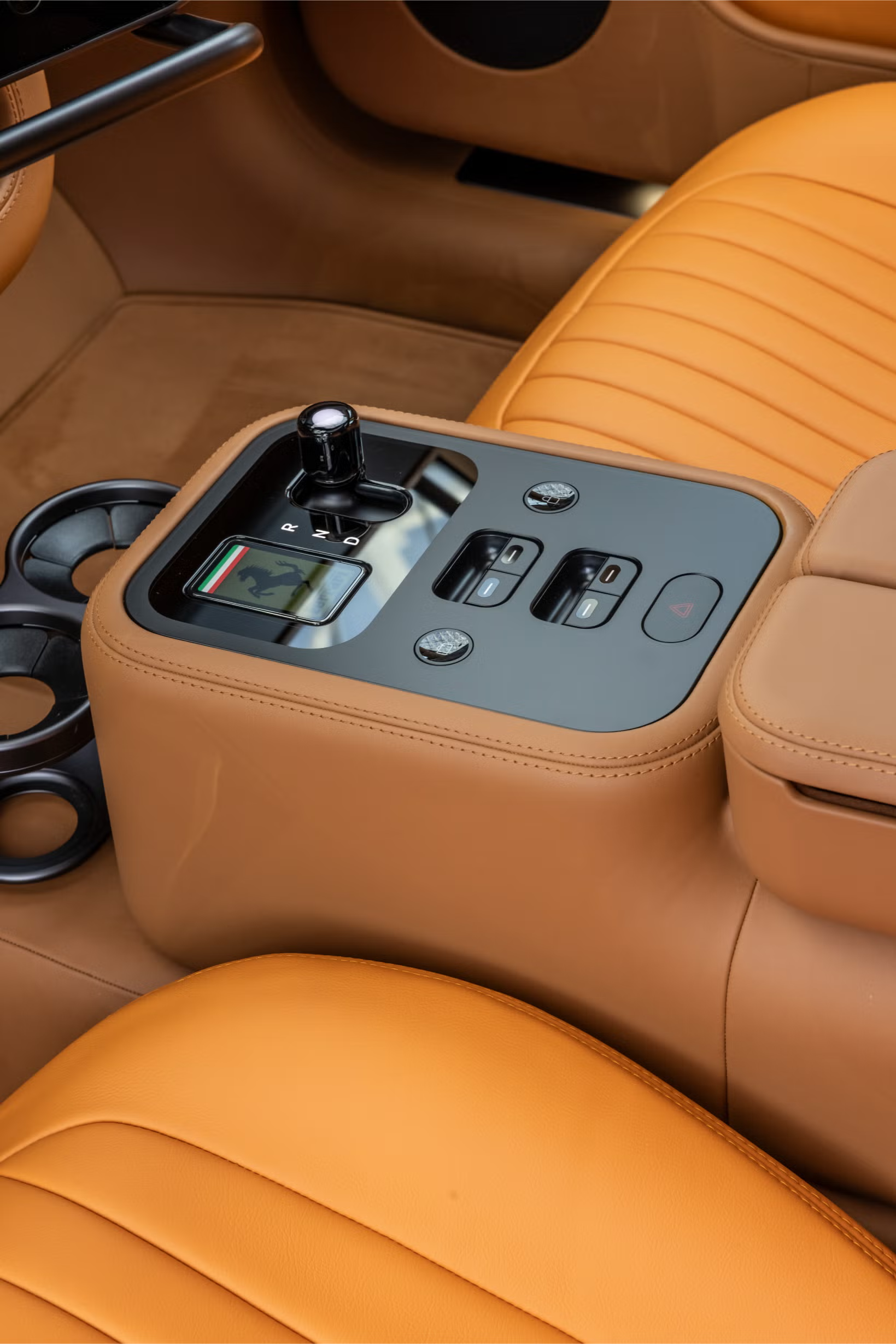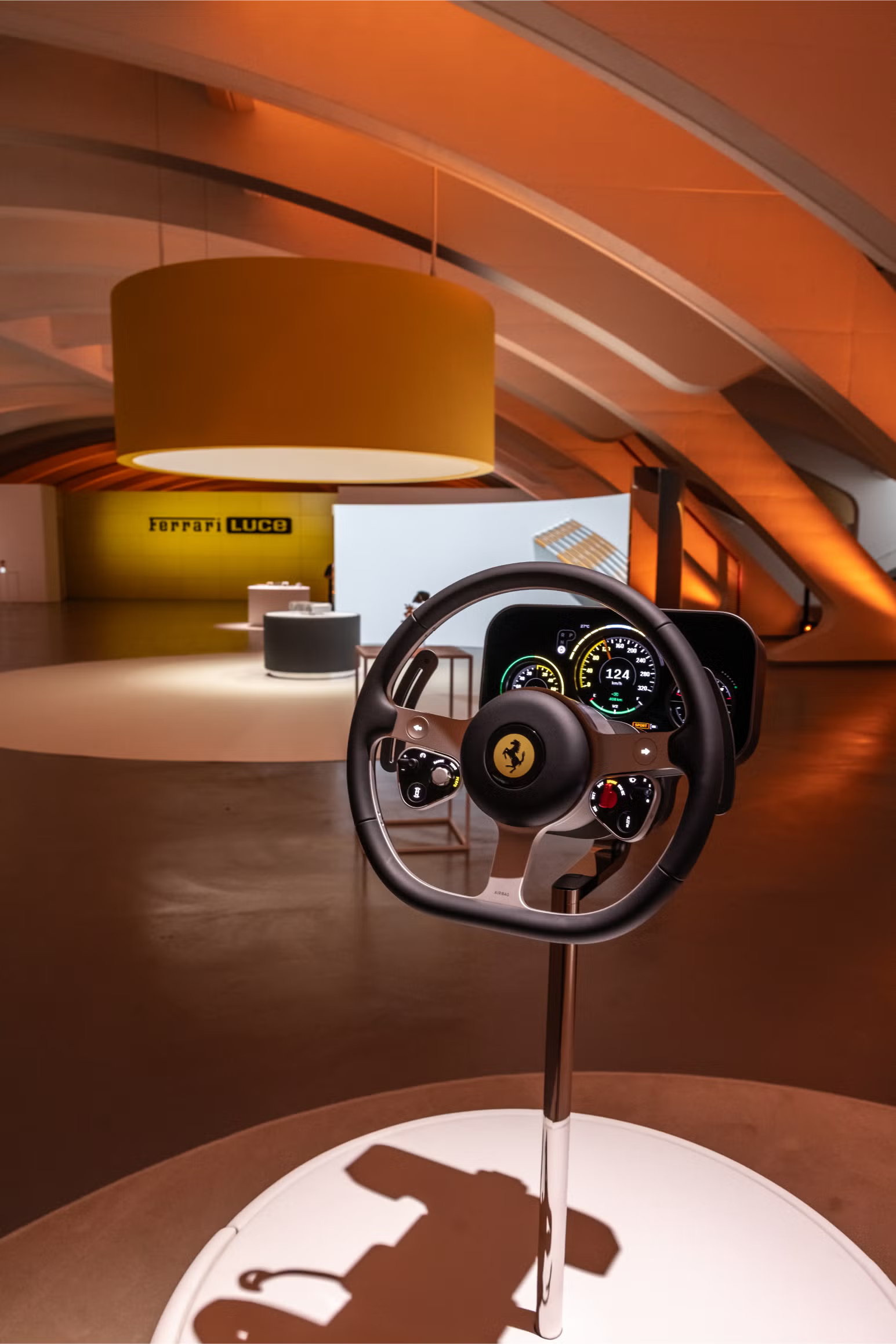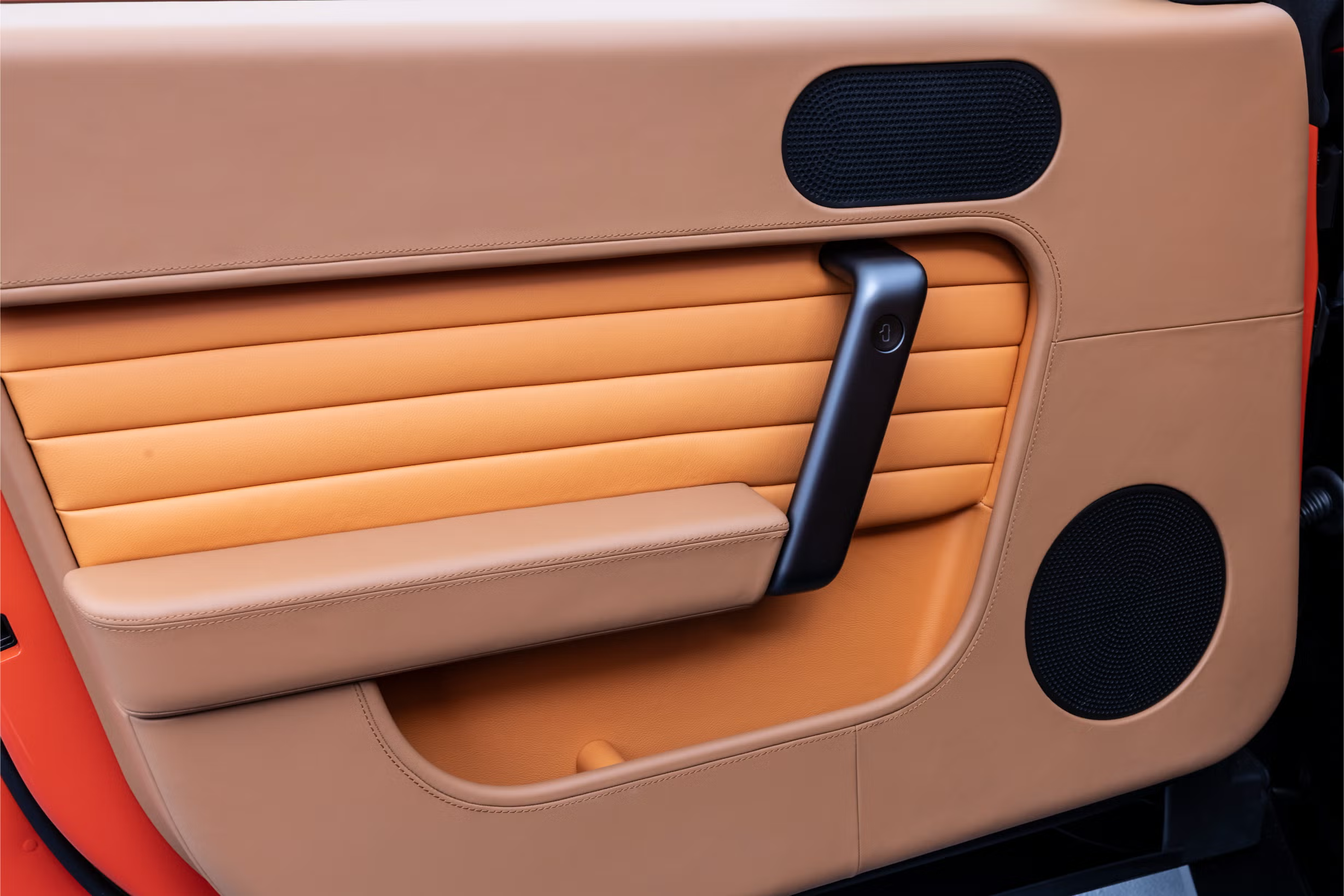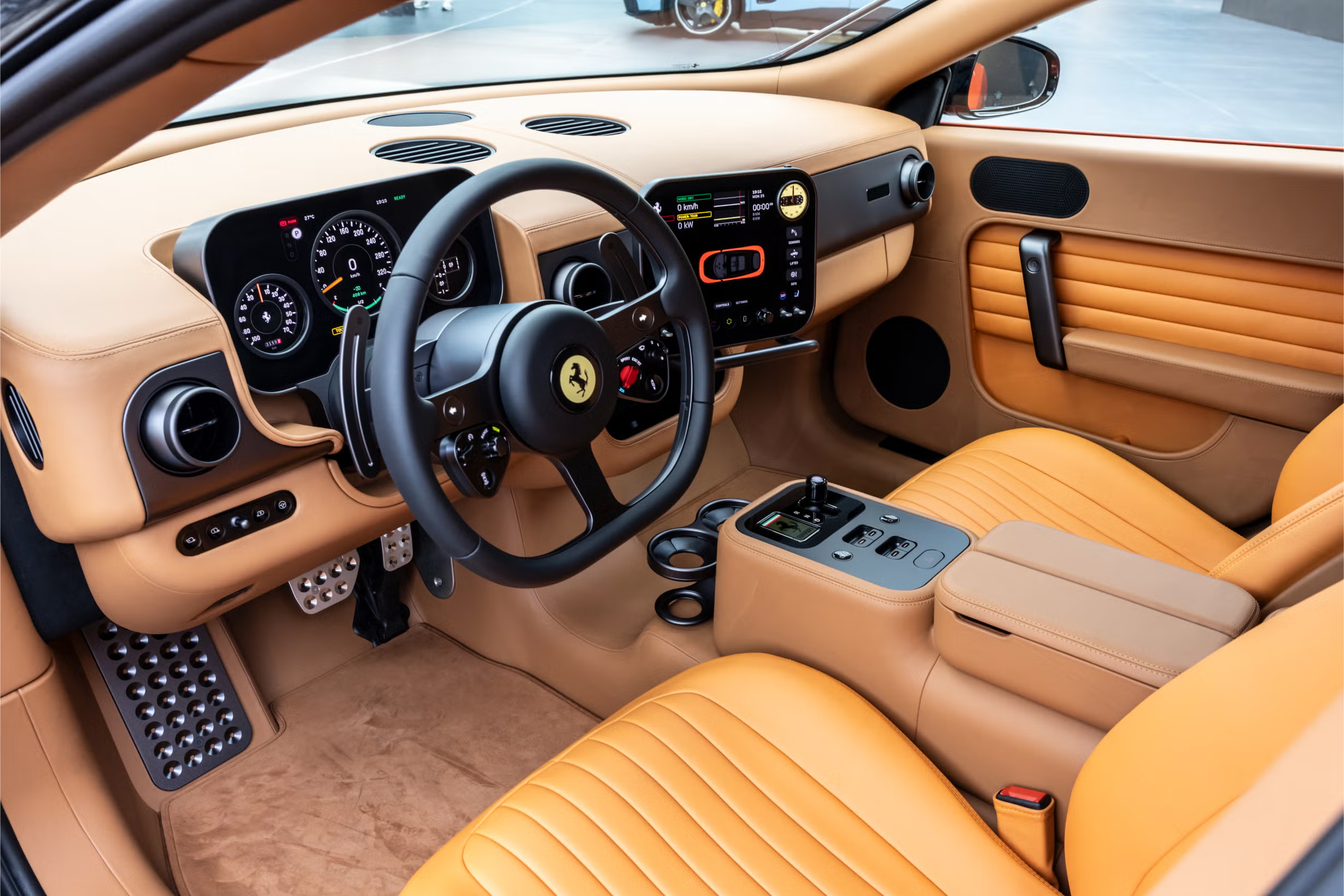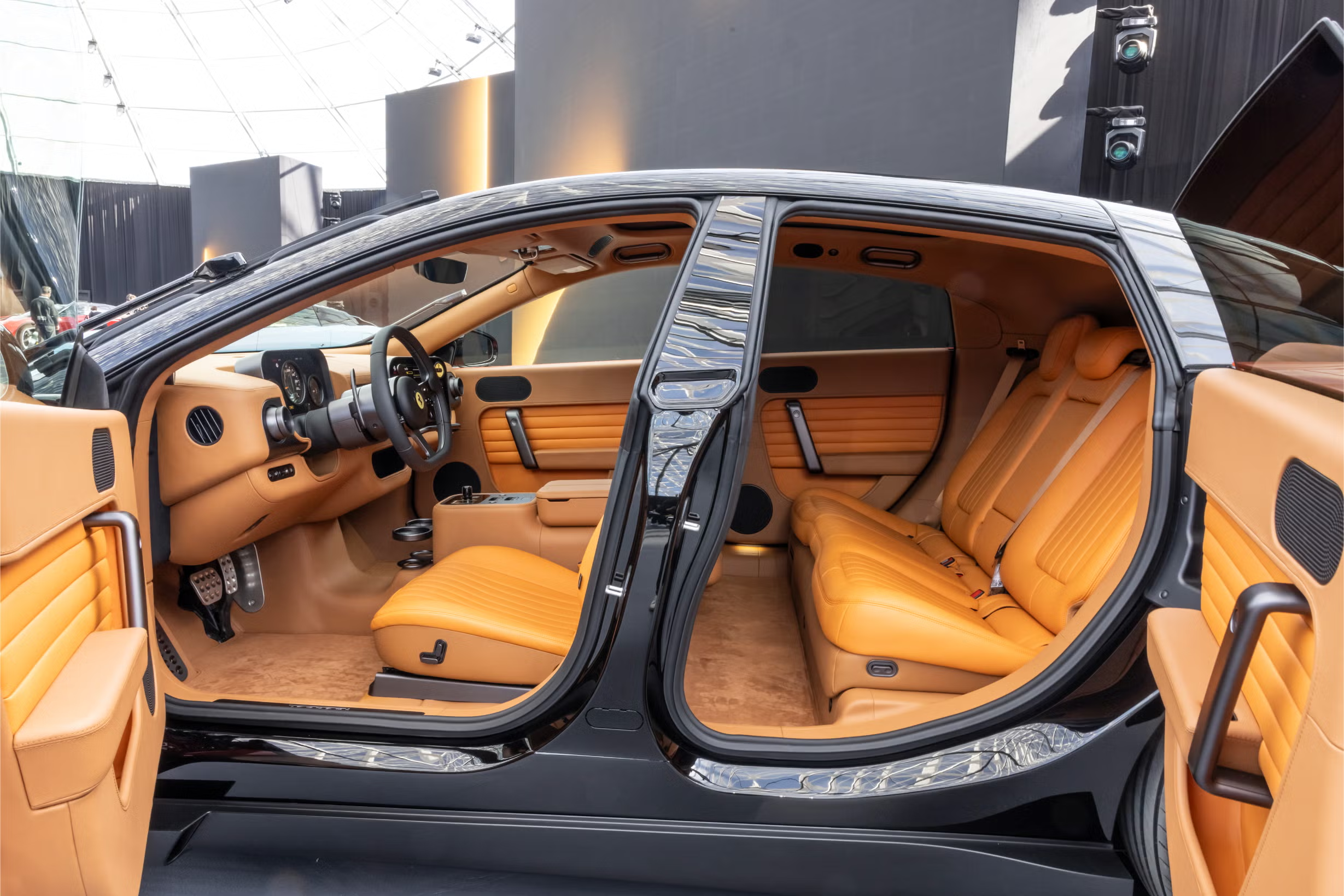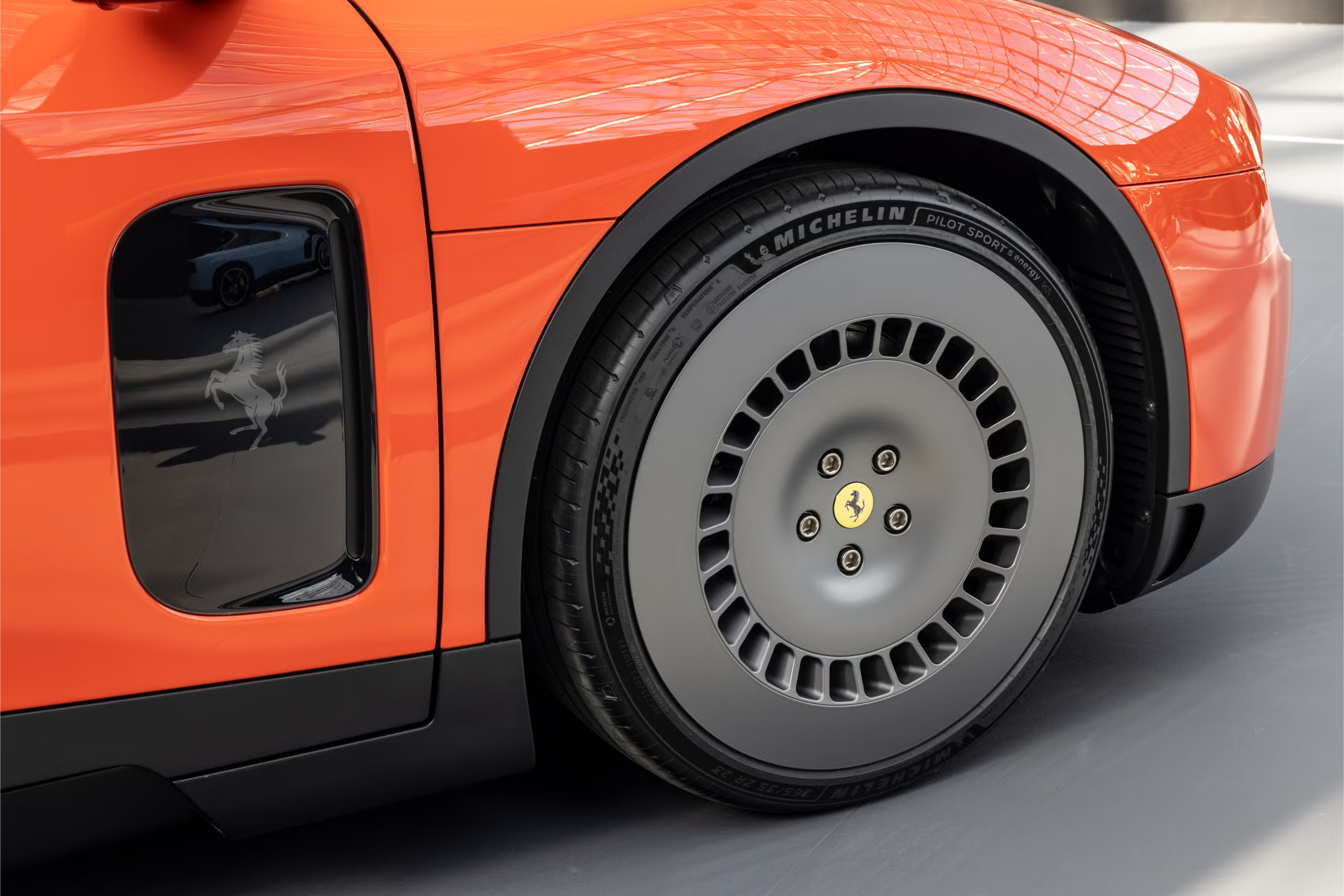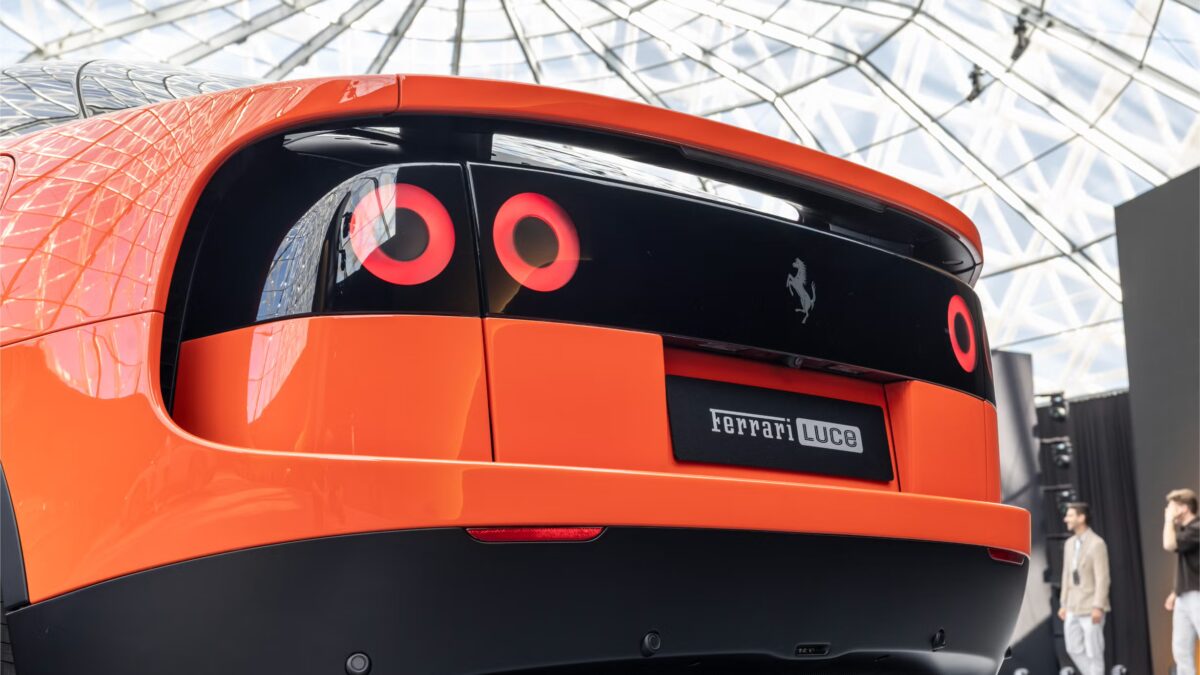
If you wanted proof that Ferrari’s first electric car would be controversial, you needed only to observe the launch strategy. The car — known until recently as the Elettrica, now confirmed as the Luce, meaning “light” in Italian — was revealed in three separate phases across eight months. The technology in October 2025. The interior in February 2026. The exterior, finally, in Rome this week. When a company shows you the best bit first, you are probably working with a committee of people who are worried about the other bits.
The Luce was co-designed by Jony Ive and Marc Newson’s collective LoveFrom — the studio founded after the pair left Apple, where Ive spent 27 years designing the iPhone, the iPod, the iMac, and the Apple Watch. John Elkann, whose family controls Ferrari, reportedly admired how the Apple Watch had turned an analogue device into a digital product and wanted the same sensibility applied to the Prancing Horse’s first electric vehicle. He got what he asked for. The result is, to a startling degree, an iPhone with suicide doors, a shell-like panoramic glasshouse over the entire cabin, aluminium aerodynamic wings front and rear, and toggle switches machined from recycled aluminium that are very clearly related to the things you get on a MacBook keyboard.
The numbers are genuinely impressive. Four electric motors, 1,035 horsepower, 0-100 km/h in 2.5 seconds, a 122 kWh battery with 450 km of claimed range, 48V active suspension so sophisticated it eliminates the need for anti-roll bars. The car’s starting price in Europe is €550,000 — approximately $640,000 — and production begins in late 2026, with US deliveries following in Q2 2027. Ferrari’s stock dropped 15% on the day of the original technical reveal in October, the company’s worst trading day since going public in 2016. Industry analysts had wanted stronger long-term electric growth commitments. This is one data point among many in a story about a brand navigating impossible expectations from multiple directions simultaneously. For a complementary take on the broader strategic context, see our separate piece on the Ferrari Luce unveiled, which covers the engineering and product narrative in greater depth.
On the Chris Harris podcast, which convened an emergency episode on the day of the full reveal, the discussion covered all of this with considerable candour. The consensus, put most directly by Manish, was that the car looks exactly like what you’d expect from people who were asked to make a Ferrari look like an Apple product: it looks like an Apple product. “An iPhone from 2007,” was his precise formulation, which is either an observation about aesthetic evolution or a damning critique of a brand that hasn’t fundamentally changed its visual language in nearly two decades.
Neil, sitting in what appeared to be the actual car, attempted the contrarian position with some sincerity. His argument was essentially correct: Ferrari’s loyal clientele of V8 and V12 GT owners should be delighted, because the Luce makes every combustion Ferrari they own worth more money by comparison. The SF90 owners, previously somewhat déclassé given how quickly the tech moved on, are happy. The Lusso and FF owners, sitting on depreciated assets for years, are happy. And the car, Neil argued, is aimed at a consumer who genuinely doesn’t want to announce their wealth with a loud, visual, threatening Italian sports car — the same consumer buying Loro Piana rather than Versace. This argument has substance. Quiet luxury is real. Understated chic exists. Whether a car with a €550,000 starting price can genuinely claim to be understated is a philosophical question that the market will answer in its own time.
Chris Harris’s contribution was the sharpest. He pointed out two things. First: it doesn’t look like a Ferrari. He challenged anyone to identify it at distance without the Prancing Horse badge, and the podcast agreed this would be difficult. Enzo Ferrari’s most famous instruction to his designers was that a Ferrari should be recognisable anywhere in the world. The Luce, without its shields, could be several things. Second: the launch strategy itself is a confidence indicator. When Porsche built something it believed in, they left the 918 in a garage with a key and a note that said go. The Luce had seven pre-reveals, carefully managed journalist access, and a phased approach that took nearly a year. That is not how you behave when you know you’ve made something brilliant.
Chris Cooper offered perhaps the most useful framing: nobody at Ferrari wanted to make an electric car. The question that keeps arising is whether Ferrari, with its specific brand position and its specific customer base, was ever in a situation where it had a genuine choice. European emissions regulations create compliance obligations that reach even very low-volume manufacturers. Ferrari’s own five-year plan, revised significantly downward from its 2022 ambitions, now calls for 40% internal combustion, 40% hybrid, and 20% fully electric by 2030. The Luce is the 20%.
Whether it is beautiful or not is, ultimately, a matter of personal conviction. The Ferrari manufacturer page will tell you what the brand’s heritage looks like. What the Luce tells you is that the people who commissioned it wanted something that looked like a different kind of future. They got exactly that. The analogue collector car market is, meanwhile, going in the opposite direction and doing rather well — which is either ironic or perfectly logical depending on your disposition. The broader EV writedown story suggests that chasing the electric future has been expensive across the industry; Ferrari has chosen to chase it on its own terms, at its own pace, in its own aesthetic language.
Enzo Ferrari spinning in his grave, as the internet noted, is after all a form of perpetual motion. It has been for some time.