One name conspicuously absent from the exhibitor list is Tesla. Draw your own conclusions.
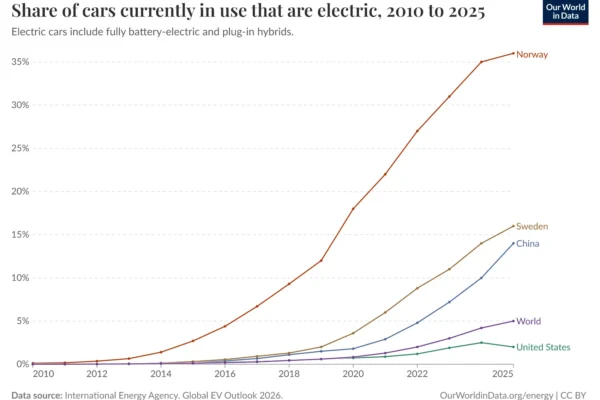
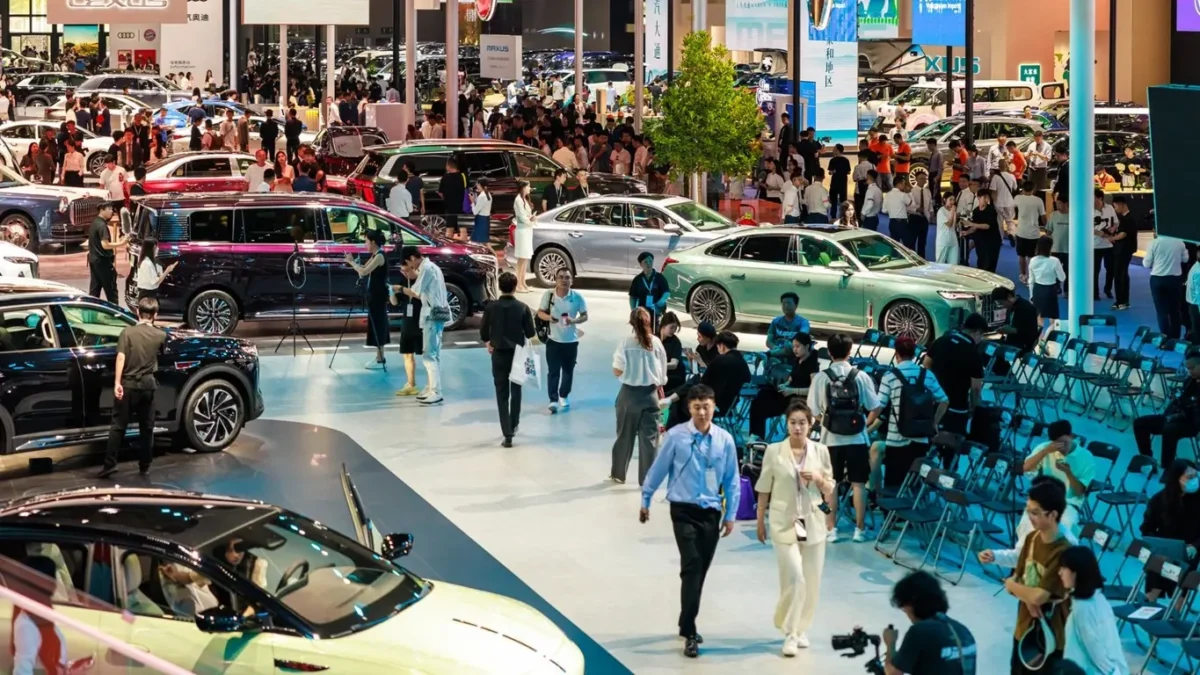
Auto China 2026 is not merely the world’s largest car show by floor space. It is, increasingly, the most important automotive event on the planet — not because of what happens inside it, but because of what it says about where the industry’s centre of gravity has moved. In 2025, China sold over 34 million vehicles, with electric cars accounting for more than 50% of sales and exports exceeding 7 million units — cementing a leadership position that was theoretical five years ago and is simply factual today.
The headline act is the sheer volume of Chinese EV innovation arriving simultaneously. Brands already unveiling models ahead of the show include Nio, XPeng, Volvo, Leapmotor, Zeekr, Lynk & Co, BMW, and Li Auto, with the main battleground being three-row six-seat SUVs — the segment that has become China’s primary technology showcase. BYD, characteristically, has taken the most commanding position: the company occupies the entire Hall E3, with its main brand and three sub-brands — Denza, Yangwang, and Fang Cheng Bao — each given their own booth. Subtle, it is not. BYD revealed the Great Tang at the show — a seven-seat SUV with a claimed 950km range starting at roughly £28,000 — and in doing so set the price-and-capability bar at a height that most European manufacturers are still working out how to clear.
Western manufacturers are present, but their posture has changed fundamentally. International automakers from Volkswagen to BMW are rolling out electric vehicles developed specifically with Chinese partners, in a direct attempt to reverse declining market share. This is no longer the era of shipping a slightly adjusted European model to Shanghai and expecting it to sell. The Chinese consumer — tech-savvy, price-aware, and accustomed to software-defined vehicles that receive meaningful over-the-air updates — has raised the bar to a height that most Western manufacturers are still measuring themselves against. China’s new assault on the premium segment is the clearest expression of that shift: having mastered the mainstream, Chinese brands are now coming for the margins that German manufacturers have long considered their birthright.
The context makes this show particularly charged. Polestar last week posted a $2.36 billion net loss for 2025, while Chinese EV brands are preparing more than 20 new model launches at the show alone. Meanwhile, back in the United States, GM’s Factory Zero is on a second shutdown, Ford has cancelled its electric truck, and the industry consensus is that 2026 will be flat for new EV sales. Two automotive worlds, diverging at speed.
The show also arrives as a pointed reminder of what protectionist trade policy actually costs. In the UK, the upfront purchase price of an electric car has now fallen below that of an equivalent petrol car — partly because of the availability of low-cost Chinese EVs that are simply unavailable or subject to tariffs in many other markets. The 181 world premieres at Beijing this week will include vehicles that most American and many European consumers will never be able to buy, because their governments have decided to protect them from affordable technology.
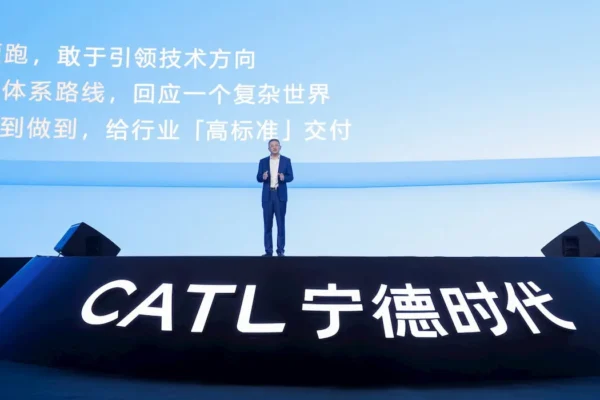
Companies from 21 countries and regions will attend, including technology giants Huawei, CATL, and Bosch, with announcements expected around batteries, software, autonomous driving systems, and in-car digital experiences. This is no longer just an auto show. It is a technology conference that happens to also display cars — which is, not coincidentally, precisely the direction that Chinese EV brands have been building toward while their Western competitors were still debating whether drivers wanted touchscreens. CATL’s sodium-ion deal, signed in the same window, is a useful illustration: the largest sodium-ion battery order ever placed, anywhere, sitting on the Beijing show floor as a quiet confirmation that the chemistry roadmap is broader and further ahead than most Western commentary has acknowledged.
The media days are Thursday and Friday. The public arrives Saturday. By next week, the industry will have its clearest picture yet of what Chinese automotive ambition looks like in 2026. It will be considerable, it will be electric, and most of the world will be able to buy exactly none of it.
That might be the most important automotive story of the year.