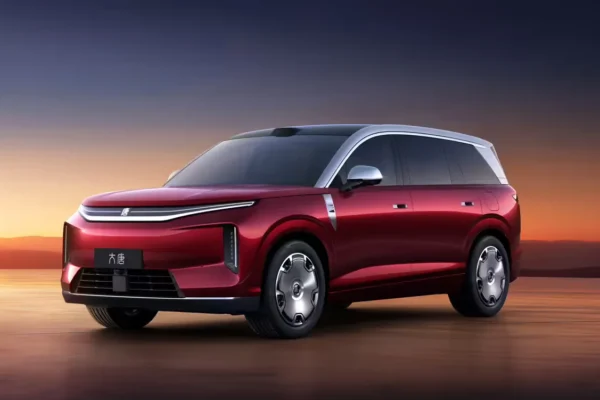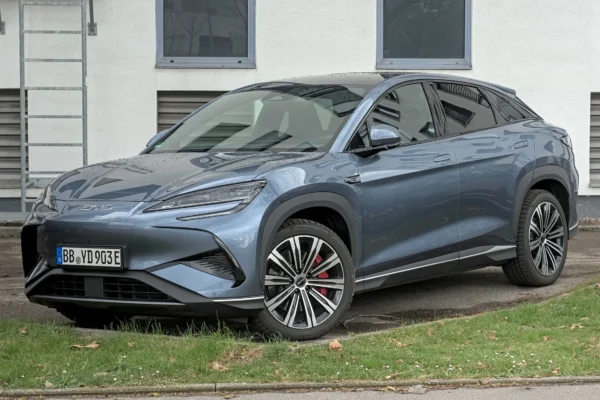
In January, Canada agreed to allow 49,000 Chinese-built EVs into the country annually at a tariff rate of just 6.1%, dropping a 100% surtax that had been in place since 2024. The deal, struck by Prime Minister Mark Carney during the first visit by a Canadian PM to Beijing in eight years, was framed as a pragmatic response to a simple problem: affordable EV options had largely disappeared from the Canadian market, purchase incentives had been rolled back, and policy uncertainty had dampened consumer confidence. The solution, apparently, was China.
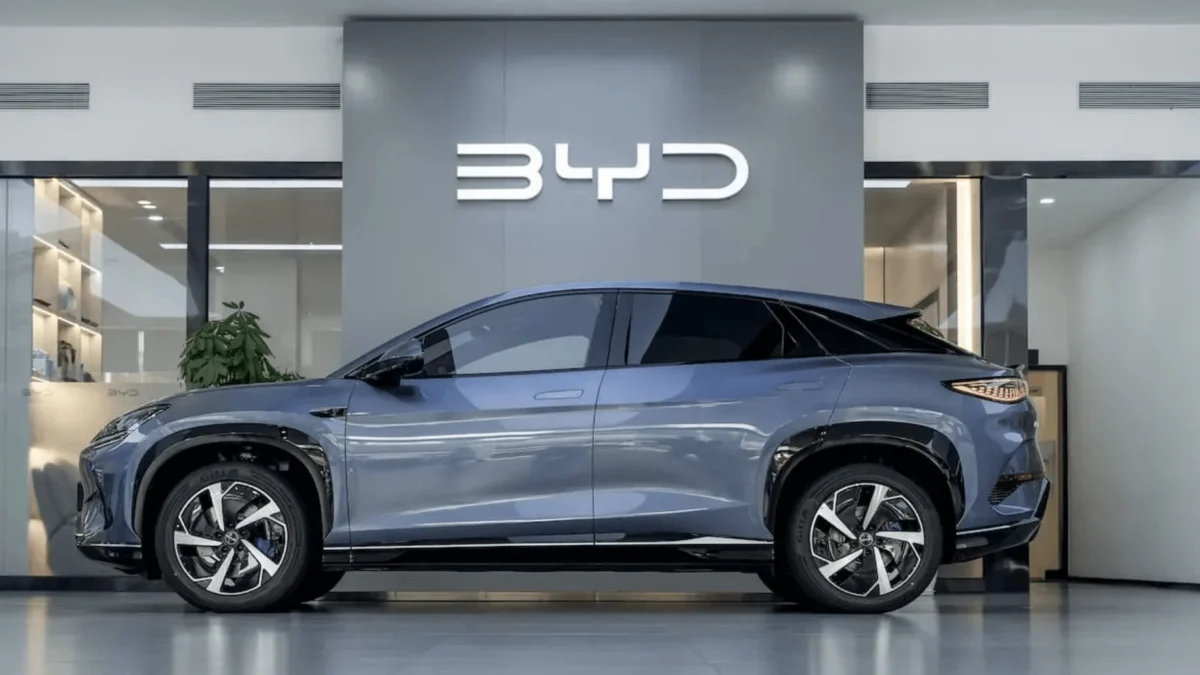
BYD has wasted absolutely no time. The world’s largest EV maker has hired a Markham, Ontario-based automotive retail consultancy to find dealership locations across Canada, with plans to open 20 branded stores within its first year of operations. The Greater Toronto Area is already under active discussion for three locations, with further expansion planned for Vancouver, Montreal, and Calgary. For a company that was actively planning a Canadian launch before the previous government’s 100% tariff slammed the door in 2024, this is less a new adventure and more an overdue one.
The numbers behind the deal are worth unpacking. The 49,000-unit annual cap applies across all Chinese automakers — not just BYD. With Chery also entering the market, Tesla wanting some of that quota for Model 3s built in Shanghai, and Geely-owned brands like Polestar already positioned to take advantage, BYD’s actual allocation in year one could be well under 10,000 units. That’s a rather small number to sustain 20 showrooms. The infrastructure bet only makes commercial sense if BYD is confident the quota will expand — and is planting its flag now to be ready when it does. The confidence is not unfounded — BYD’s record overseas sales in 2026 mean the company is currently struggling to meet international demand with existing capacity, which makes pre-positioning showrooms in a market with a known future cap considerably less reckless than the year-one numbers alone suggest.
There is also a pricing wrinkle that the Canadian government has been somewhat quiet about. None of the first 49,000 vehicles are required to be priced below $35,000. While the government highlighted affordable EVs as a key goal, the requirement doesn’t kick in until year two — and even then, only 10% of imports need to meet the threshold, meaning just 4,900 affordable vehicles in year two. The promise of cheap Chinese EVs for Canadian consumers, in other words, may be somewhat more distant than the press releases suggested.
Ontario Premier Doug Ford has been characteristically restrained about all of this — describing Chinese-made EVs as, and these are his words, “subsidised spy cars.” Ford’s concern is less about the vehicles themselves and more about what they represent for Ontario’s auto industry heartland, where assembly lines are either at risk or already idle. His argument that cheaper Chinese imports could jeopardise Canada’s position with American buyers — already complicated by the trade tensions of recent months — is not without merit, even if the phrasing is perhaps more useful for the campaign trail than the boardroom.
Washington has been equally measured. U.S. Transportation Secretary Sean Duffy said Canada would “look back at this decision and surely regret” letting Chinese cars in, while the U.S. Trade Representative called the move “problematic” — though he did concede that the cars were going to Canada and not the United States, so perhaps the concern is more strategic than immediate.
Carney’s most notable comment was his assessment that China has been more predictable than the U.S. in recent months — a statement that tells you a great deal about the current state of the Canada-U.S. relationship.
The broader picture is what makes this story genuinely significant. America and Canada have been aligned on Chinese EV policy since 2024. That alignment has now broken, publicly, at the prime ministerial level. Tesla’s Canadian sales collapsed by more than 60% in 2025 to roughly 18,000 units, while BYD sold 2.26 million battery-electric vehicles globally — and is now actively building the retail infrastructure to arrive in North America through the only door that’s currently open. BYD’s parallel European factory negotiations tell the same story from the other side of the Atlantic: wherever a Western market has unutilised capacity or a usable trade door, BYD is moving in. Canada is not an isolated success. It is one front in a coordinated Western-markets push.
The question isn’t whether BYD will succeed in Canada. It’s whether Canada is the beginning of something much larger, or simply a well-timed opportunity in a politically convenient moment. Given how quickly they’ve moved on the dealership network, BYD appears to have already decided.