The Porsche 911 is one of the most recognisable names in motoring. It has been in continuous production since 1963 — longer than almost any other sports car nameplate in history. The number has become synonymous with a specific idea of what a performance car should be: rear-engined, driver-focused, endlessly developed, never quite replaced.
It was almost called the 901. And it would have been, had Peugeot not owned the rights to every three-digit number with a zero in the middle.
The Frankfurt Debut
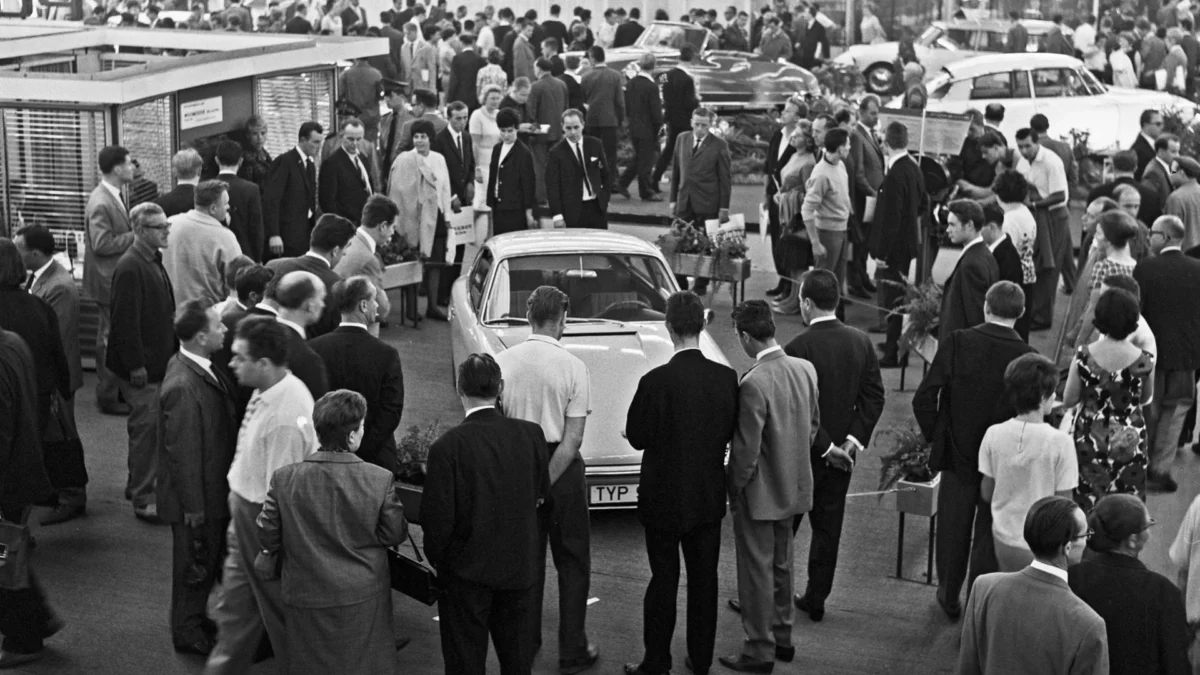
Porsche unveiled what would become the 911 at the Frankfurt Motor Show in September 1963. It arrived badged as the 901 — a logical continuation of Porsche’s existing naming convention, which had produced the 356 and various prototype designations in the 900-series range.
The car was well received. Its flat-six engine, rear-engined layout, and fastback body represented a significant step forward from the 356 it was replacing, and the automotive press responded accordingly. Porsche began taking orders.
Then Peugeot’s legal team made contact.
The Trademark
Peugeot had long maintained a trademark covering three-digit car model numbers with a zero in the centre position — the format X0X. Their own model range — the 404, 504, 304, and so on — followed this convention, and they had registered the format to protect their naming system in the French market.
The 901 format violated this trademark. Peugeot informed Porsche that selling the car under that name in France would constitute infringement. Given that France was a significant market, and given that fighting a trademark dispute offered no guarantee of success, Porsche’s options were limited.
They changed the name. The zero became a one. The 901 became the 911.
The decision was made quickly, pragmatically, and without particular drama. Porsche had already produced a small number of cars badged as 901 — estimates vary, but the figure is typically quoted at around 82 — making them among the rarest variants of any 911 generation. The 901 badge was quietly retired, and by 1964 the 911 name was in use across all markets.
What Might Have Been
The counterfactual is worth sitting with for a moment. Had Peugeot not held that trademark, or had Porsche chosen to contest the claim, the car that defined rear-engined sports cars for six decades would have carried a different number. The “901 Club” would exist instead of the 911 Club. Journalists would write about the “901 effect” rather than the 911’s enduring appeal.
None of that changes what the car is. But names carry weight in automotive culture. The 911 is not just a model designation — it is a cultural shorthand for a particular kind of car, a particular relationship between driver and machine, and ultimately the stubborn decision that kept it rear-engined across six decades of engineering temptation to move the engine somewhere more sensible. The name change is the cosmetic story. The layout is the real one. It is hard to imagine “901” carrying the same resonance, even if the car underneath were identical.
Sometimes the accidents of commerce produce better outcomes than deliberate design.
The Porsche Family Context
The name dispute arrived at a complicated moment for Porsche as a company. Ferdinand Porsche, the founder, had died in 1951. His son Ferry Porsche was running the company, and the 911 — then still the 901 — was his attempt to carry the brand forward beyond the 356 that his father had created. The car represented the family’s vision for what Porsche should become: more sophisticated, more powerful, more capable, but still unmistakably connected to its origins.
Having that vision renamed by a competitor’s legal department was, by all accounts, an irritation rather than a crisis. Ferry Porsche was focused on the car, not the badge. The 911 went on to justify his priorities entirely.