The first Honda automobile officially sold in the United States was a 1967 Honda N600 — serial number one, the first car off the production line — which currently sits in the vault of the Petersen Automotive Museum in Los Angeles on permanent loan from Honda. It is small, reliable, and efficient. Nobody at the time thought it was cool. Honda still owns it because, as the museum will tell you, that car represents the beginning of one of the most significant shifts in American automotive culture of the twentieth century.
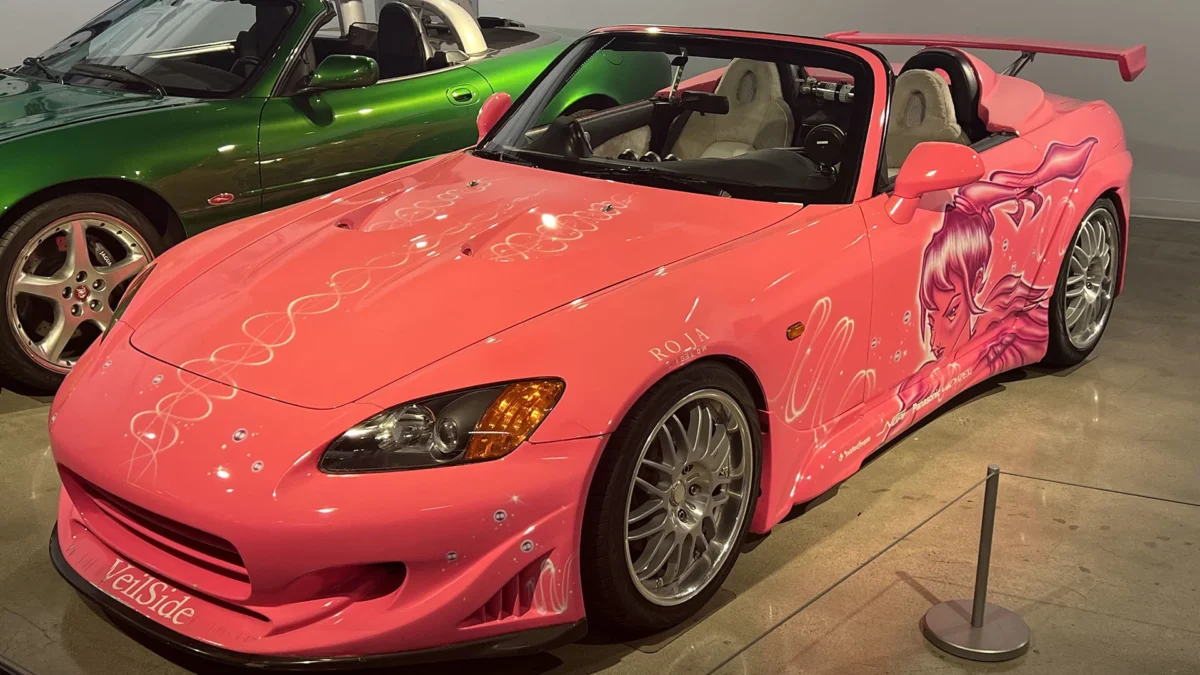
About thirty feet away, if you know where to look, is a pink 2001 Honda S2000 that belongs to a character named Suki who appeared in 2 Fast 2 Furious. The two objects, separated by thirty-four years and about twelve feet of display space, represent the entire arc of the story.
The Petersen’s Fast and Furious Exhibition
The Petersen opened A Fast and Furious Legacy: 25 Years of Automotive Icons on 14 March 2026, and it runs through April 2027. This is not Universal Studios slapping some film props in a tent. The Petersen Automotive Museum is one of the most serious automotive institutions in the world, and the exhibition features the most comprehensive assembly of authentic screen-used vehicles, stunt doubles, and production prototypes ever shown under one roof. When a museum of that stature dedicates gallery space to a franchise about street racing and NOS purges, what it is really saying is: this happened, it mattered, and we are keeping a record of it.
The Fast and the Furious grossed more than $7 billion across its eleven films over a quarter-century. But box office numbers are not really the point. The point is the 1994 Toyota Supra, the acid-green 1995 Mitsubishi Eclipse, Vin Diesel’s Mazda RX-7, and Michelle Rodriguez’s Nissan 240SX — cars that made a generation of teenagers learn what a 2JZ was, understand what an import tuner did, and start paying attention to Japanese cars in a way that no amount of advertising had managed to achieve. Before the global missions and blockbuster spectacle, Fast and Furious was a car movie. For a lot of people, that’s still the version they love most.
From Oil Crisis to Icon: How Japanese Cars Conquered America
Key by Cars and Bids recently made a documentary tracing the full arc of JDM culture in America, and the story it tells is one of the more satisfying arcs in automotive history. Honda arrives in the late 1960s with a car that nobody wants because America is in love with large-displacement V8s and the concept of efficiency feels vaguely unpatriotic. Then the 1973 oil crisis happens, petrol nearly quadruples in price overnight, the government introduces the odd-even system to manage demand at filling stations, and suddenly the appeal of a small, reliable Japanese car that doesn’t drink fuel like it has a grudge against the earth makes considerably more sense.
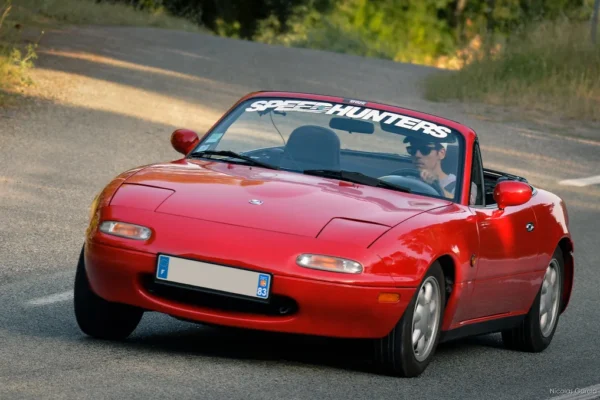
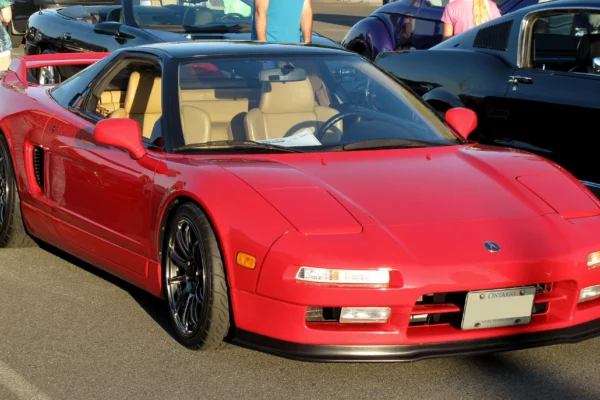
That practical pivot was the foot in the door. What happened next was the interesting part. Through the 1980s, Japanese manufacturers didn’t just close the gap with American and European rivals — they exceeded them in build quality, reliability, and increasingly in driver engagement. The arrival of Lexus, Acura, and Infiniti proved Japan could do luxury. The 1990s gave the world the Skyline GT-R, the NSX, the Supra, the RX-7, the S2000, and the Integra Type R. Cars that were not just very good but specifically, demonstrably, excellent in ways that mattered to people who cared about driving.
The Bridge: What Fast and Furious Actually Did
And then Fast and Furious arrived in 2001 and created the cultural bridge that engineering alone could not have built. Drifter Ken Gushi, who grew up in Okinawa and Los Angeles and now competes in Formula Drift for Toyota in a GR86, describes seeing Initial D and recognising his own life in it. Picture car coordinator Sebastian, who has placed JDM cars in music videos and film productions from Travis Scott to Lakers promotions, traces his entire career back to watching 2 Fast 2 Furious on VHS at his uncle’s house. The film was, as he puts it, the first thing he saw on a screen that had the cool cars he recognised from the street but with a Hollywood narrative around them.
The Market Has Noticed
What makes this cultural moment interesting in 2026 is that it hasn’t stopped. If anything, it has accelerated. Haley, who owns a faithful recreation of the S14 Nissan Silvia from the original film, tells the documentary she sees a trend of people “going back to things that feel manual and not so engineered.” The JDM collector car market has responded accordingly. Values on the cars from that golden 1990s era have increased dramatically, driven partly by the 25-year import rule that has been unlocking the R32, R33, and now R34 Skyline GT-Rs for American buyers. A clean S2000 now commands prices that would have seemed delusional ten years ago. The Honda Civic Type R has become a used car that retains its value like a piece of furniture with brand recognition. The institutional response is no longer purely American either — how Europe’s best car shows are catching up with America’s best automotive museums became unmistakable in Düsseldorf this April, where Ultrace Germany staged a Porsche GT1, a Mercedes CLK GTR street car, and an R34 GT-R claiming Z-Tune status without ropes, in an industrial hall curated with the kind of seriousness the Petersen has been modelling since the mid-1990s. The race-car-as-museum-piece idea is, finally, going global.
Full Circle
The Petersen exhibition is running through April 2027, which positions it to close less than a year before Fast Forever, the reportedly final chapter of the franchise, is due in cinemas in March 2028. There is something pleasantly circular about the timing. The films that turned Japanese cars into cultural objects worthy of serious attention are being celebrated in the same building as the first Honda ever sold on American soil, while the cars from those films appreciate in value and the culture they helped create shows no sign of cooling.
The 1967 N600 in the Petersen vault has done very well for itself. Nobody could have predicted that from the outside.