General Motors does not, at the moment, look like a company that thinks the future is electric. In the last twelve months it has poured more than $6 billion into American manufacturing, and almost none of it is going where its 2021 press releases said it would.
The latest tranche, confirmed yesterday, is an $830 million package split across three propulsion sites: $300 million to Romulus, Michigan for more 10-speed transmissions; $40 million to Toledo, Ohio to roughly double an earlier expansion of the same transmission family; and $150 million to Saginaw Metal Casting Operations to crank up head castings for GM’s sixth-generation small block V8. That comes on top of a separate $505 million commitment to a propulsion plant in Ontario for next-generation V8 engines, and last year’s $888 million investment in the Tonawanda plant near Buffalo — the single largest engine-plant investment in GM’s 116-year history. None of this money is buying battery cells.
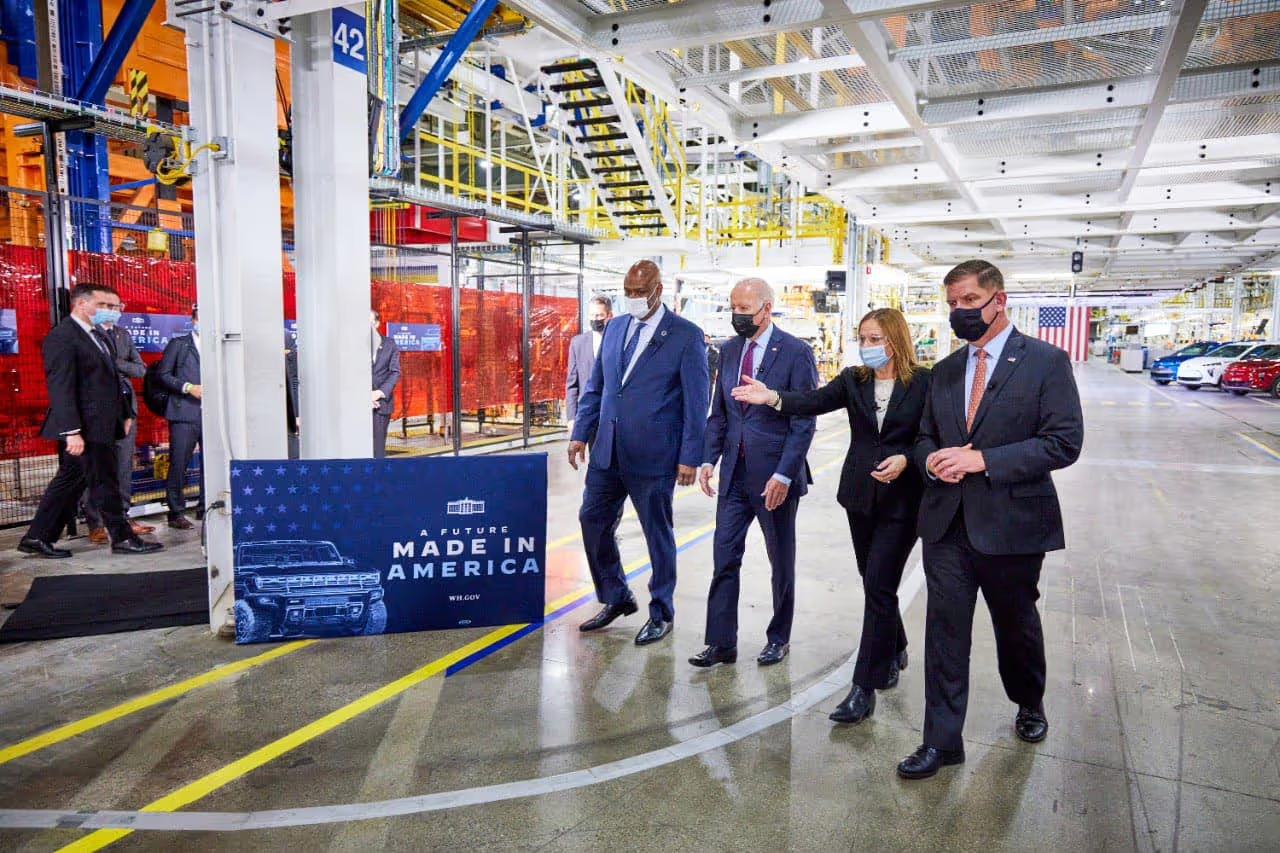
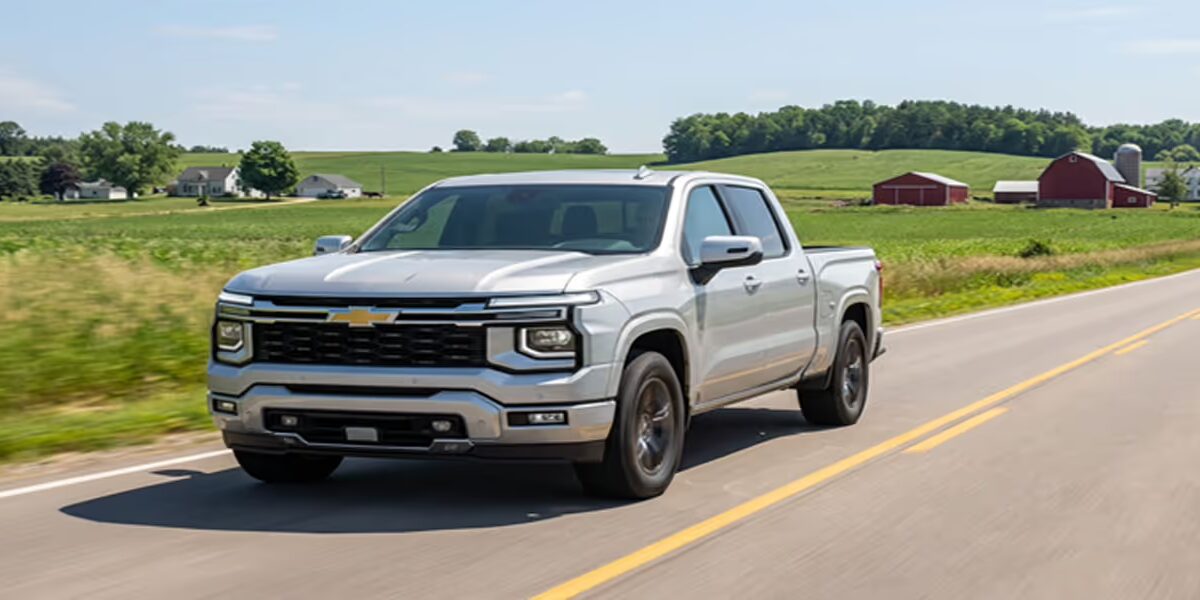
For context: in 2021, Mary Barra publicly committed GM to going fully electric by 2035. EVs would be “the future” and the Tonawanda plant would build EV drive units. That plan now exists in a museum somewhere next to the F-150 Lightning’s marketing brochure. The Tonawanda EV-drive-unit project has been quietly replaced by the V8 line. The Saginaw and Romulus expansions exist to feed the redesigned Chevrolet Silverado and GMC Sierra, both of which arrive next year with combustion engines that you can hear from the next zip code.
The numbers tell you why. US consumer preference, as tracked by EY, currently sits at 62% internal combustion and 9% pure EV, with the rest mostly hybrid. GM’s most profitable vehicles — Silverado, Sierra, Tahoe, Yukon, Suburban, Escalade — are also its most resolutely non-electric. Last quarter’s full-size SUV margins kept the lights on while Factory Zero, GM’s flagship EV plant in Detroit, was idled for the second time in twelve months. The economics are not subtle. An EV programme that hasn’t matured can be paused. A pickup truck production line that’s selling at full tilt cannot.
GM also benefits from a sequence of regulatory tailwinds that nobody predicted three years ago. The Trump administration is unwinding the corporate average fuel economy standards that pushed automakers toward electrification, which means the V8 Silverado of 2027 will not need to be carbon-balanced against a battery-electric stablemate to stay legal. Congress eliminated the $7,500 federal EV tax credit last year. California’s tougher rules are being challenged in court. Add it up and you get an industrial logic that points squarely back at engines. The sixth-generation small block V8, GM’s flagship combustion architecture, will start production at Tonawanda in 2027. The fifth generation continues until then because demand for it has not dropped.
The Saginaw plant is a particularly nice detail. It employs around 350 people and makes the cylinder heads, the bit of an engine that historically gets you sued by environmentalists. It is getting $150 million of new tooling because someone in GM finance has run the numbers on a Tahoe versus a Hummer EV and concluded that the Tahoe wins by approximately every metric except marketing.
This is not GM giving up on electric. Spring Hill, Tennessee still builds the Cadillac Lyriq. The next-generation Chevrolet Blazer EV is funded. But the message running through every dollar of this $6 billion is unmistakable: combustion is now treated as the cash machine that pays for the EV transition, not the legacy embarrassment that needs to be dismantled. It is, in essence, the same realisation Stellantis and Ford have arrived at — the difference being that GM is louder about it, has the cash, and is moving fastest.
The forward-looking takeaway is that 2027’s truck market is going to look genuinely strange. New Silverados and Sierras with brand-new V8s, ageing Lightnings and Cybertrucks competing for a shrunken EV pickup buyer, and Volvo somewhere trying to find a supplier who still knows how to build a four-cylinder. The companies that hedged are winning. The companies that bet the farm are quietly buying it back at auction.