Seven months after the first fire at the Novelis facility in Oswego — followed by a helpful encore blaze in November that reset the clock on repairs — the F-150 is in the middle of its worst supply squeeze outside of the pandemic. This is not a think-piece about the future of pickups. This is an actual, happening-now shortage of the single most profitable vehicle in America, and dealers are staring at lots you could play five-a-side football on.
The numbers are properly uncomfortable. F-150 inventory nationally has fallen 43% since the first fire, according to data firm CatalystIQ. Days of supply have cratered from 107 last September to about 57 by mid-April — a rough proxy for “how long until we’re selling the plastic plants in the showroom.” Ford’s slice of the full-size pickup segment has slid from 37% to 32% year-over-year in Q1, and its inventory share of the segment has collapsed from 37.2% to 28.2% in just seven months. That is not weather. That is a structural shift, even if a temporary one.
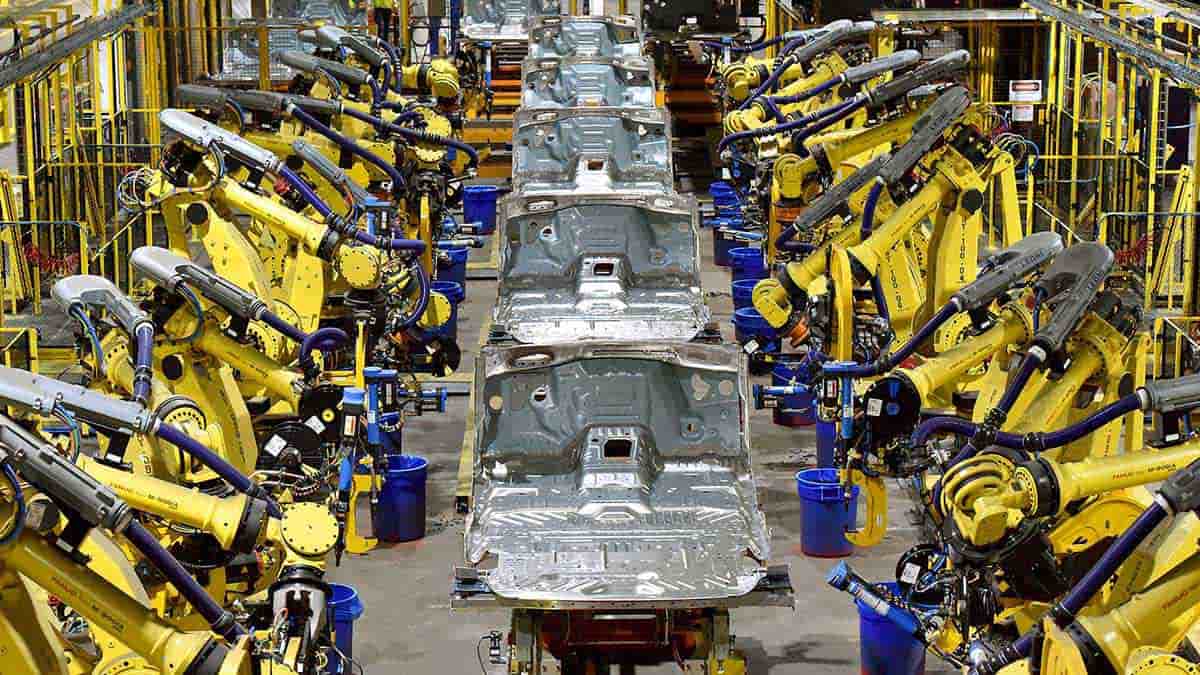
Why does one plant matter this much? Because Novelis supplies roughly 40% of the automotive aluminum rolled in the United States, and Ford has built its entire truck strategy around the stuff. The aluminum-bodied F-150, launched to great bemusement and enormous commercial success over a decade ago, is the reason the F-Series has been America’s best-selling vehicle line for 49 consecutive years. When the aluminum stops, the whole operation coughs. Ford has already confirmed the disruption will cost it around $2 billion, and last autumn it took the extraordinary step of idling the F-150 Lightning factory for a week to redirect scarce aluminum toward the more profitable combustion trucks — a moment of corporate candour that rather elegantly summarised which way the wind was blowing.
To be fair to Ford, it has not been asleep at the wheel. The company is adding roughly 50,000 F-Series units to this year’s production plan, skipping the traditional summer shutdown at four truck plants, sped up the line at Kentucky Truck (home of Super Duty, Expedition and Navigator), and added a third shift at Dearborn Truck in February. It is also sourcing aluminum from Novelis plants in Europe, Brazil and South Korea — which works, right up until you remember the United States has a 50% tariff on imported aluminum, meaning every substitute coil arrives pre-loaded with extra pain. CEO Jim Farley has told investors Ford still expects a $1 billion tariff hit in 2026 on top of the supply headache. Happy days.
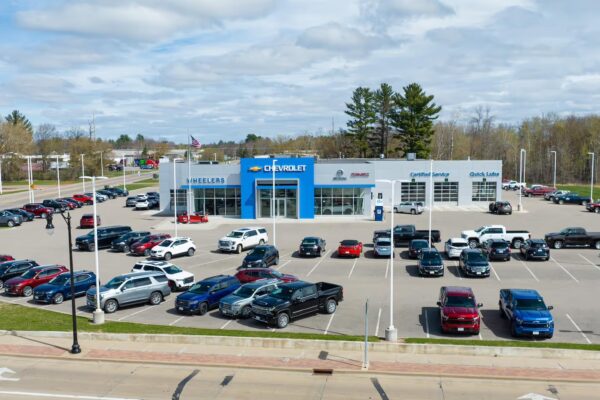
The consumer end is where this gets bleakly amusing. In Omaha, Nebraska, F-150 supply has fallen 63% and the advertised price on an entry-level XL trim has climbed around $5,000 — roughly 10% — since the fires. Similar squeezes are playing out in Odessa-Midland, Mobile and Raleigh-Durham. For a truck whose entire marketing proposition rests on being the sensible, available, workhorse choice, having to tell a contractor in Texas to wait three months and pay more is not exactly on-brand.
The wider lesson is the one the auto industry keeps being forced to re-learn and then promptly forgetting. Single-source supply for a critical, highly-specified material is cheap until the day it becomes ruinously expensive. Ram and Chevrolet have had seven months of open goal at Ford’s customers, and while F-Series loyalty is a genuine force of nature, CatalystIQ reckons there’s been real churn in the segment. Some of those buyers won’t come back — particularly given that as Ram brought back the Hemi V8, Stellantis posted its strongest Ram quarter since 2023 and started picking up exactly the kind of full-size pickup customer Ford couldn’t currently serve. Open goals get scored on. Meanwhile, while Rivian started R2 production in Illinois just days after a tornado hit the plant, the contrast in supply-chain stories has rarely been starker: one company hobbled by a single missing supplier, another building through a literal natural disaster.
Ford’s dealers have been told April is the bottom, with supply normalising by late July. Novelis expects its damaged hot mill back online by the end of Q2. Assuming no third fire — one hesitates even to type it — the F-150 will be fine by autumn. The more interesting question is whether anyone in Dearborn, Detroit or Stuttgart will actually act on the obvious lesson, or whether we’ll all be back here in 2028 writing the same article about a different plant. My money, regrettably, is on the latter.