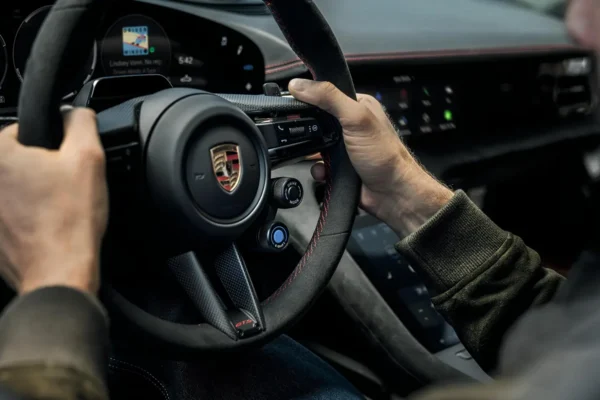
Somewhere in Stuttgart, a very expensive whiteboard has been wiped clean. Porsche — the brand that could seemingly do no wrong, that turned an SUV into a cultural phenomenon and a sports car into a profit machine — has just posted a 92% collapse in operating profit. For a company that once made €5.3 billion a year look effortless, the €90 million left standing is not so much a financial result as it is an archaeological ruin.
It is, in the most expensive possible way, the story of the entire car industry right now.
The numbers are staggering even when you say them quickly. Global automakers have collectively written off somewhere between $55 billion and $70 billion in EV-related charges — depending on which accounting you trust and how much pain you can absorb in one sitting. Stellantis alone disclosed €22 billion in write-downs. Ford’s pivot away from its electric ambitions has cost it over $20 billion, including the quiet discontinuation of the F-150 Lightning. Honda took a $1.9 billion hit winding down EV programs it had barely started. Seven major automakers combined lost an estimated $20,887 on every single electric vehicle they sold between 2022 and late 2025. That is not a rounding error. That is a strategy.
Or rather, it was a strategy. The strategy was: Tesla is doing brilliantly, politicians are pointing at net zero, and anyone who doesn’t go all-in on electric by 2030 will be left selling horse-drawn carriages. And so billions flowed into battery plants, bespoke EV platforms, dedicated factories, and bold pronouncements at shareholder meetings. What followed was the market politely but firmly declining to cooperate.
In the US, the Trump administration removed the federal EV tax credit, and sales slowed almost immediately. In 2025, EVs accounted for just 7.8% of new vehicle registrations — fractionally down from the year before. While the used EV market quietly boomed, the new-car side of the equation kept losing altitude — which tells you the appetite for electric cars hasn’t disappeared, it has just relocated to a price point the manufacturers can’t profitably serve. In the UK, the government’s Zero Emission Vehicle mandate has created a parallel universe in which dealers are discounting electric cars by an average of £11,000 just to get them out of the showroom, while simultaneously being threatened with fines for not selling enough of them. It would be farcical if it weren’t quite so damaging.
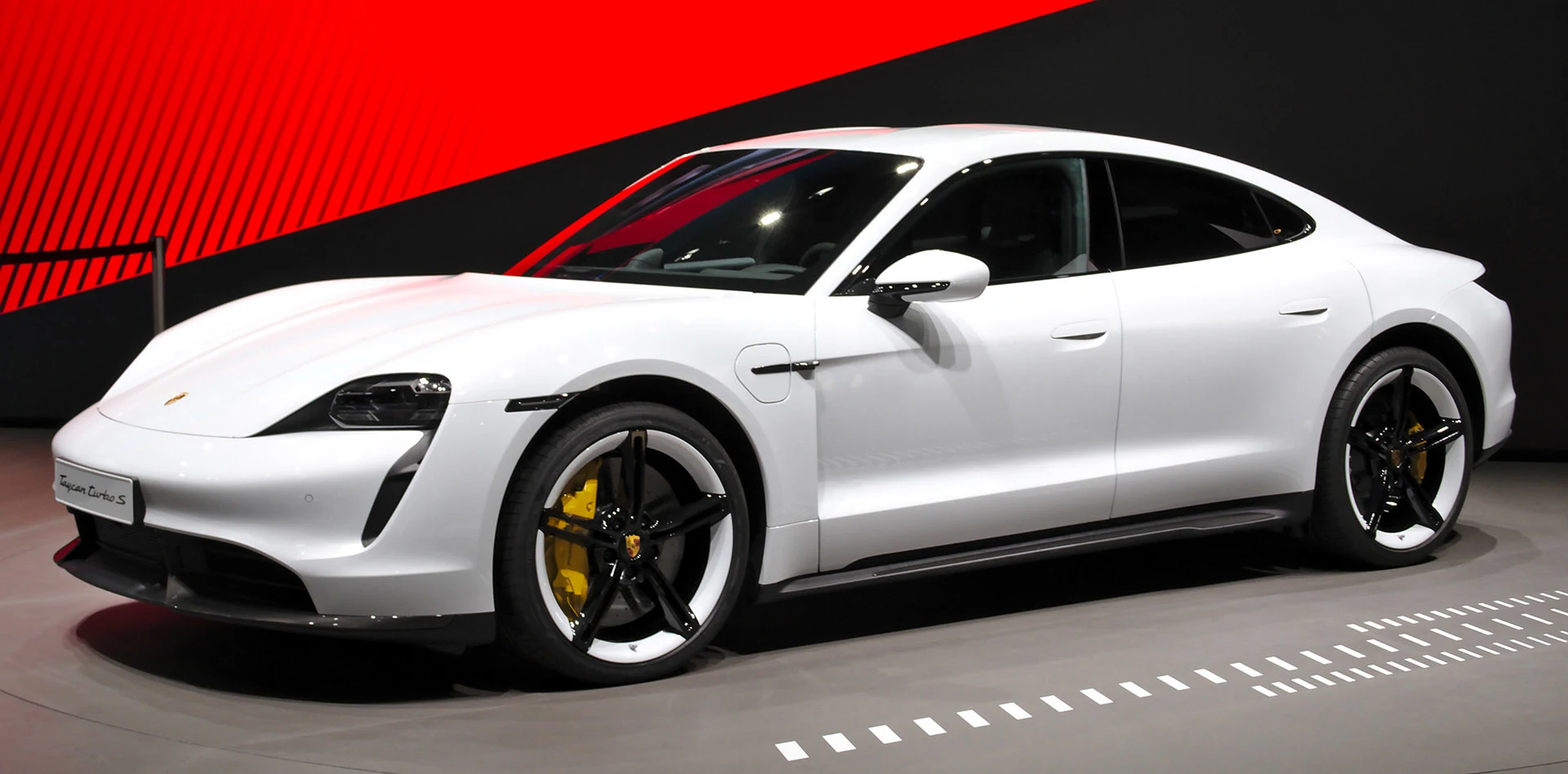
Porsche’s story is particularly instructive, partly because the brand had so much further to fall. The Taycan — once the darling of premium EV coverage — sold just 16,339 units globally in 2025, down 40% year-on-year. The 911, reassuringly unfashionable and stubbornly petrol-powered, sold 52,208 and is quietly breaking records. The electric 718 replacement has been shelved. The new CEO, Oliver Leiters, has promised a leaner, faster, more desirable Porsche going forward — which, translated from corporate, means: we are going back to making sports cars people actually want to buy. The wider context isn’t comforting either, with Chinese brands now attacking the German premium segment directly at price points that absorb European tariffs and still undercut Stuttgart. Porsche isn’t just fighting a domestic demand problem. It’s fighting a competitor it didn’t take seriously soon enough.
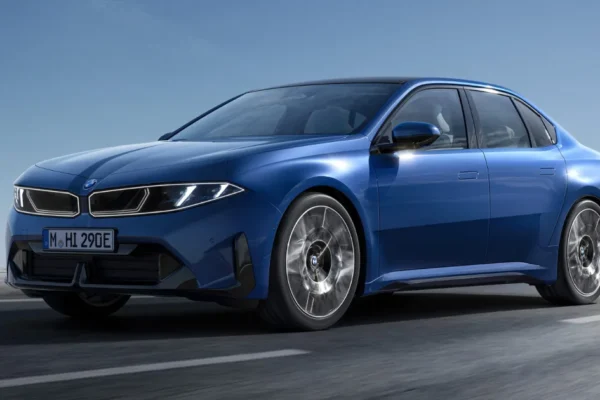
Not every manufacturer made the same mistakes. BMW, which spent years being mocked for its hedging “technology-neutral” approach, generated over €10 billion in pre-tax profit in 2025. It offered customers a choice of combustion engine, plug-in hybrid, or fully electric across most of its lineup — and rather than forcing the issue, it let buyers decide. Plug-in hybrid sales grew 25% in the first half of the year. Fully electric deliveries were up too, modestly. Nobody had to be bribed with a subsidy to make the numbers work. Rivian’s approach to the EV market belongs in the same conversation from the opposite direction: an EV-only startup, but one that has obsessively engineered cost out of the platform and is launching the R2 at a price point the rest of the legacy industry is still pretending is impossible. Pure-electric works when it is built for the market that exists, not the market that was promised.
Toyota, similarly unrepentant about its hybrid-first, no-rush philosophy, made over $25 billion in 2025. The entire Volkswagen Group — with all its brands, all its factories, all its ambition — made $8.9 billion. Less than a third of Toyota. On more cars.
The lesson, delivered at ruinous cost, is not that electric vehicles don’t work. It’s that you cannot mandate consumer desire. The enthusiast market is quietly making its own statement: classic Ferraris with naturally aspirated engines are climbing in value. The Lamborghini Huracán, pre-electrification, is now a collector’s piece before it’s even cold. Buyers are voting with their chequebooks for the cars they were told were about to disappear.
What comes next will be a more cautious, more humble car industry — one that has learned, expensively, that following politicians is not the same as following customers. Expect more hybrids, fewer grand pronouncements, and a lot of very quiet whiteboard-wiping. Stellantis’s recalibrated 29-EV plan — unveiled at the company’s May Investor Day, alongside 39 new combustion or mild-hybrid models — is the clearest worked example yet of what that humility looks like in practice: an EV roadmap calibrated to actual demand, sitting inside a portfolio that quietly assumes combustion is going to be needed for considerably longer than the previous CEO’s PowerPoint promised.
Just imagine what $70 billion of investment in making internal combustion engines cleaner and lighter might have bought. We’ll never know. But somebody, somewhere, is still paying for the answer.