While the American automotive industry has spent the first quarter of 2026 cancelling things — EVs, factory shifts, optimism — a startup in Indiana has been quietly building something. Today it announced it now has $650 million to prove it.
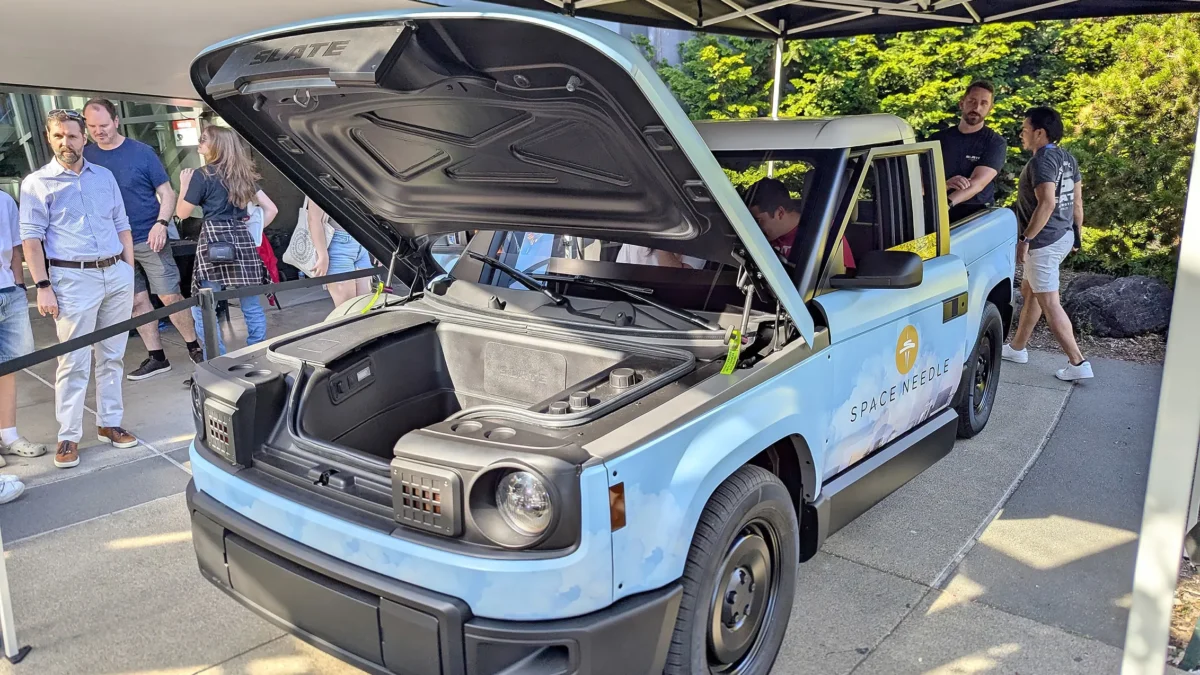
Slate Auto, the Jeff Bezos-backed electric vehicle startup, has raised $650 million in a Series C funding round as it prepares to deliver its first vehicles by the end of 2026. The Slate Truck will cost in the mid-$20,000s — with the exact retail price to be announced in June. To put that in context: the cheapest new electric vehicle currently available in America costs around $30,000. The average new car costs over $48,000. Slate is proposing to sell you an electric pickup truck for less than either of those numbers, and has somehow persuaded serious institutional money that this is a credible plan.
The Series C round was led by TWG Global, a firm run by Guggenheim Partners CEO Mark Walter — who also happens to own the Los Angeles Dodgers — bringing Slate’s total funding to roughly $1.4 billion. That is a considerable sum for a company most people outside the automotive press have never heard of. It also suggests that people who manage large amounts of money professionally believe a mid-$20,000 electric truck is something Americans will queue up to buy, which is either very shrewd or very brave, and quite possibly both.
The business model is worth understanding because it is not quite like anything else on the market. The truck will be stripped down in its base form — a two-seater, offered in 150-mile or 240-mile range configurations — with customers able to add features at additional cost after purchase. Every Slate Truck will be built in the same configuration, ready for accessorisation after delivery. The idea is that the base vehicle is cheap and simple, and those who want air conditioning, a back seat, or a more finished interior pay for those things separately. It is, in essence, the Ikea approach to car buying: here is the flat-pack, the extras are your problem.
This either sounds brilliant or deeply annoying depending on your disposition. It is, however, a legitimate attempt to solve the problem that has plagued the American EV market all year: price. That goal was complicated when Congress eliminated the $7,500 federal EV tax credit last year, which would have brought a mid-$20,000 truck to around $17,500 — genuinely transformative territory. Without the credit, Slate must make the maths work on sticker price alone, which is harder but not impossible if manufacturing discipline holds.
On that front, the signals are encouraging. Slate’s new CEO Peter Faricy says the company is “on time and on budget” to deliver its first trucks by year-end, with over 160,000 reservations already in hand — up from 150,000 in December. Production will take place at a reindustrialised factory in Warsaw, Indiana, where Slate is expected to invest nearly $400 million, create over 2,000 jobs, and contribute up to $39 billion to Indiana’s economy over 20 years — projections that should be taken with the appropriate pinch of salt, but speak to genuine long-term intent rather than vaporware ambition. The site, previously a printing plant closed in 2023, is being retrofitted for vehicle production with a target capacity of up to 150,000 vehicles per year.
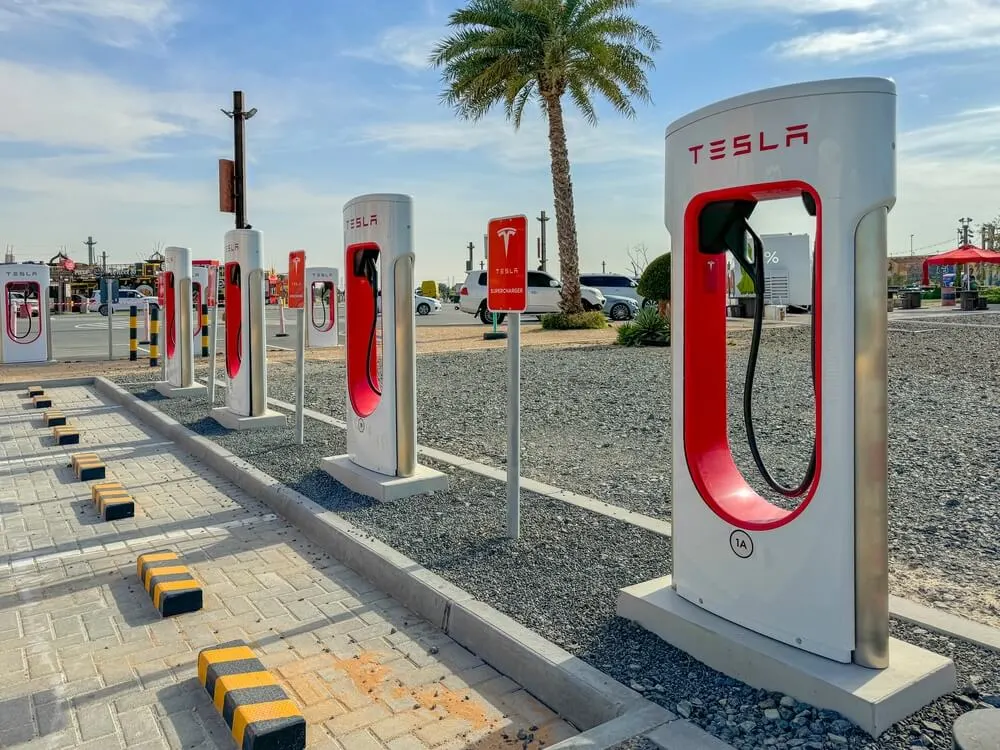
Slate drivers will have access to Tesla’s Supercharger network via a standard NACS port, and the company has partnered with RepairPal’s 4,000-plus service centres for warranty work — solving, in advance, two of the objections most often levelled at EV startups: where do you charge it, and who fixes it when it breaks?
There are caveats, naturally. Every EV startup promises to deliver by year-end until it doesn’t. The industry has watched Rivian, Lucid, and others burn through capital and miss deadlines with the depressing regularity of a late train. Slate’s stripped-down approach reduces complexity, which reduces risk, but this is still a new company attempting to manufacture a vehicle at scale in a market littered with the wreckage of similar ambitions.
But here is the thing: in a week when the dominant EV narrative has been retreat, write-downs, and factories going dark, $650 million landing behind an American electric truck that costs less than many people’s annual salary is a genuinely different kind of story. The industry could use one of those right now. So could Indiana.