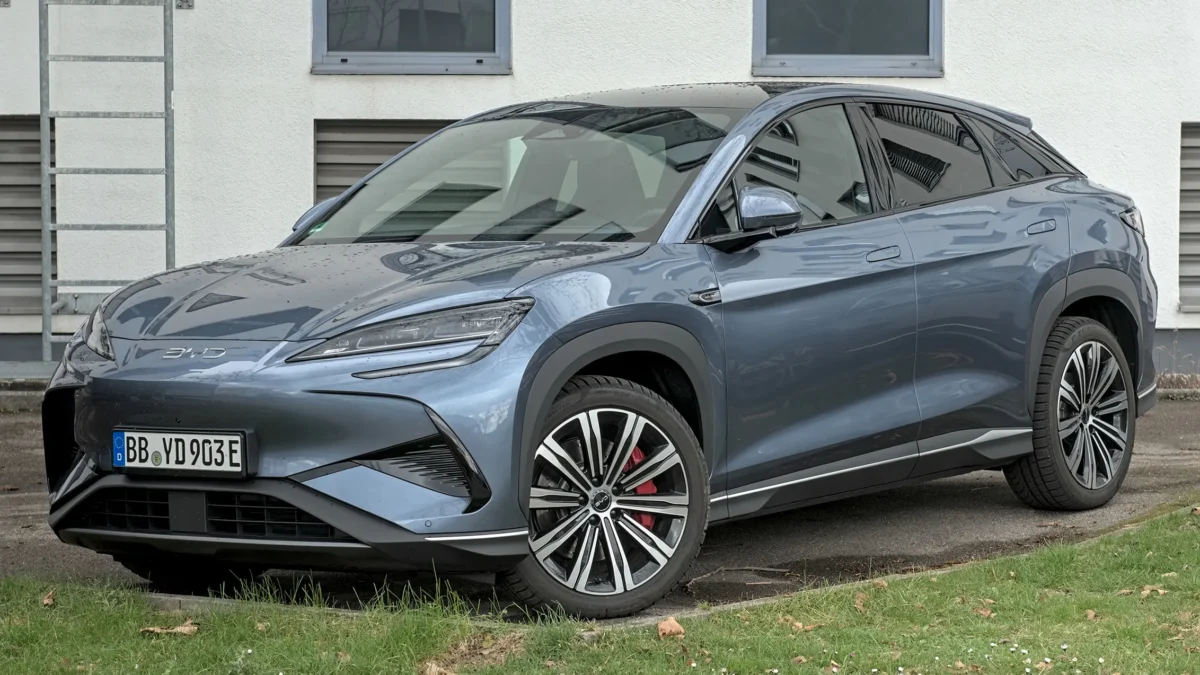
The Middle East is on fire, oil prices are through the roof, and somewhere in Bangkok last week, Thailand’s Prime Minister pulled up to a government building in a BYD Sealion 07. Nobody asked him to. That is the entire story, really.
BYD’s CEO Wang Chuanfu told analysts during a closed-door conference last week that the company expects soaring oil prices to drive overseas EV sales to “another level” in 2026. This is, to put it mildly, an understatement. According to Wang, BYD is currently selling as many vehicles in a single day in places like Australia, New Zealand, and the Philippines as it would normally sell in two weeks. That is not a typo. That is what happens when petrol prices spike and you happen to make affordable, well-built electric cars that are available right now, in the countries where people actually want to buy them.
The numbers are starting to look genuinely extraordinary. BYD exported 120,083 new energy vehicles in March alone — a 65% jump from March 2025. Through the first quarter of 2026, BYD has sold 321,165 vehicles overseas. On the back of all this, BYD has raised its full-year overseas sales forecast to 1.5 million vehicles, up from previous guidance of 1.3 million — and says it’s “highly confident” it can hit the number. Plants in Hungary and Brazil are ramping up. The company is now represented in 119 countries across Latin America, the Middle East, Europe, and Asia-Pacific. The US, blocked by tariffs, is essentially the one major market BYD isn’t in. Which, given current circumstances, looks less like a setback and more like a lucky escape from a particularly dysfunctional dinner party.
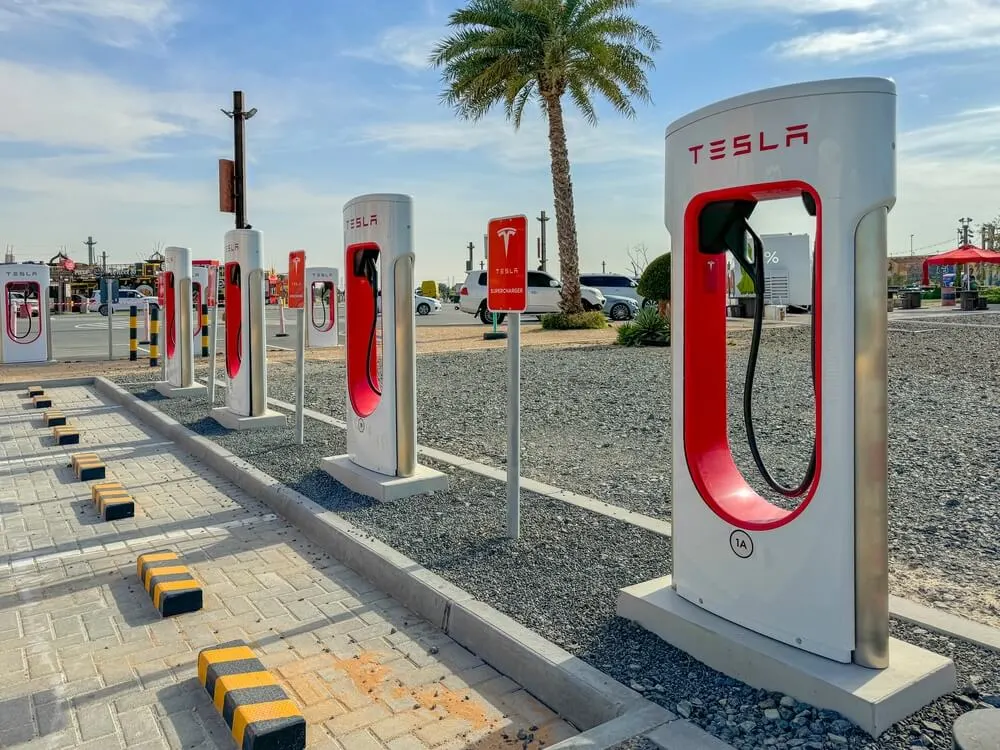
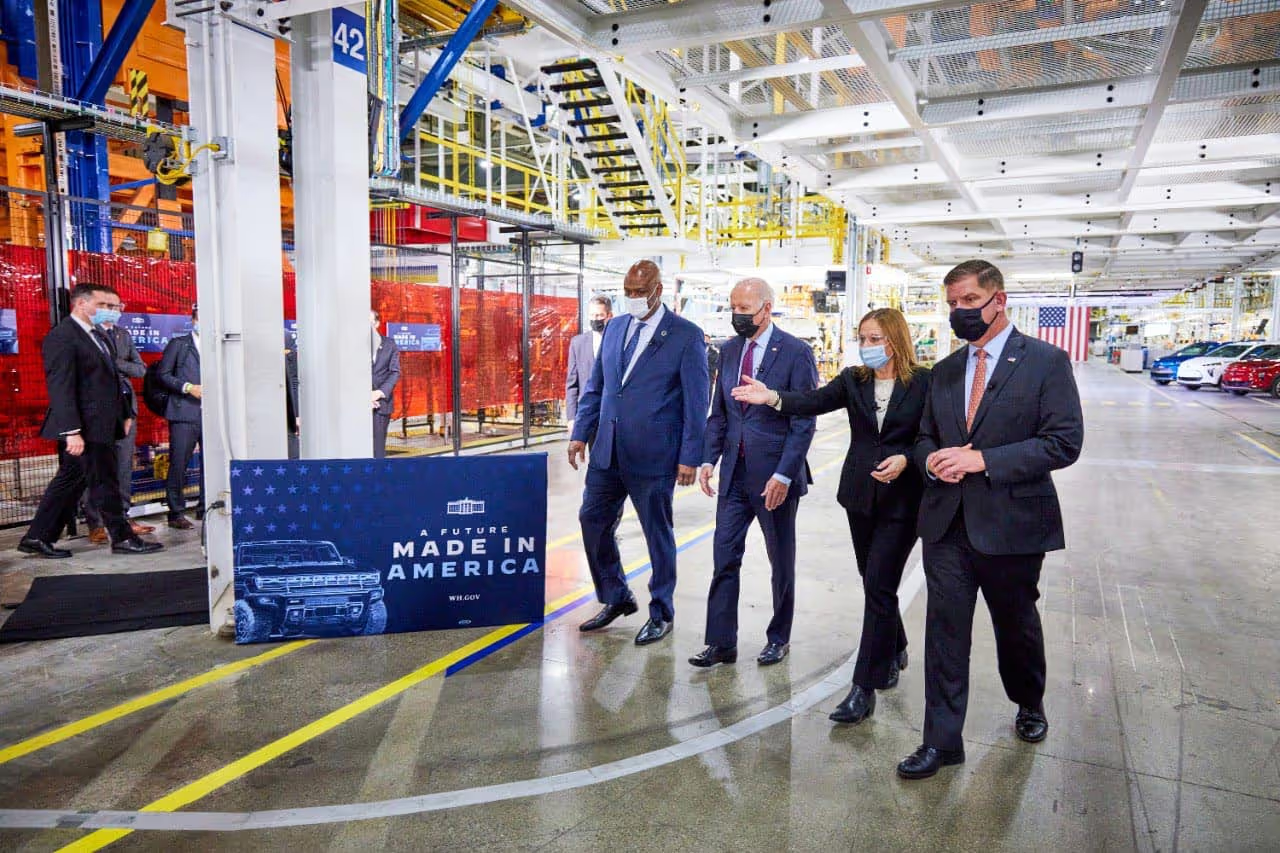
Cast your eyes westward for contrast. Tesla produced 408,386 vehicles in Q1 2026 but only delivered 358,023 — adding over 50,000 cars to inventory in a single quarter. That gap between what Tesla builds and what it sells is not a logistics quirk; it is a demand signal. The deliveries miss sent Tesla’s stock down more than 5% on the day — its steepest drop of 2026 — extending the year-to-date decline to around 20%. Meanwhile, GM’s Factory Zero is on its second extended shutdown of the year, Honda has scrapped three EVs, and Ford has quietly backed away from its electric truck ambitions. The American EV story of 2026 is, to be polite about it, a work in progress.
The contrast with BYD is not simply about execution, though BYD’s execution has been formidable. It is about positioning. BYD stopped making internal combustion engine vehicles entirely in 2022 — a decision that looked aggressive at the time and looks prescient now. In the UK, the company posted its strongest-ever first quarter with 21,337 registrations, including 15,162 in March alone — its best monthly result to date, giving it a market share exceeding 3.98% for the month. This in a country where the word “Chinese car” was, until recently, met with the raised eyebrow of someone being offered a suspicious prawn at a buffet.
The oil price dynamic matters enormously here and it is not going away quickly. With Middle East tensions showing no sign of resolution, the structural argument for EVs — that electricity is cheaper and more stable than petrol — is becoming harder to dismiss even for the most committed sceptic. Electrified vehicle consideration in the U.S. hit 23.8% of all car shopper research activity in mid-March, the highest weekly level of 2026, as online searches for EVs surged 17% in a single week following the latest gas price spike. The interest is there globally. The question is who is positioned to convert it.
BYD has the vehicles, the price points, the manufacturing capacity, and the geographic reach. Its rivals in the West have write-downs, cancelled models, and factories that keep going dark. This is not a race that is still wide open. America can rejoin whenever it’s ready. BYD will be busy in the meantime.