Tag: Electric Vehicles

  • The TE MT1: Reinventing the Mini Truck for the Electric Era

    The TE MT1: Reinventing the Mini Truck for the Electric Era

    Introduction

    TE MT1 Electric Mini Truck 2

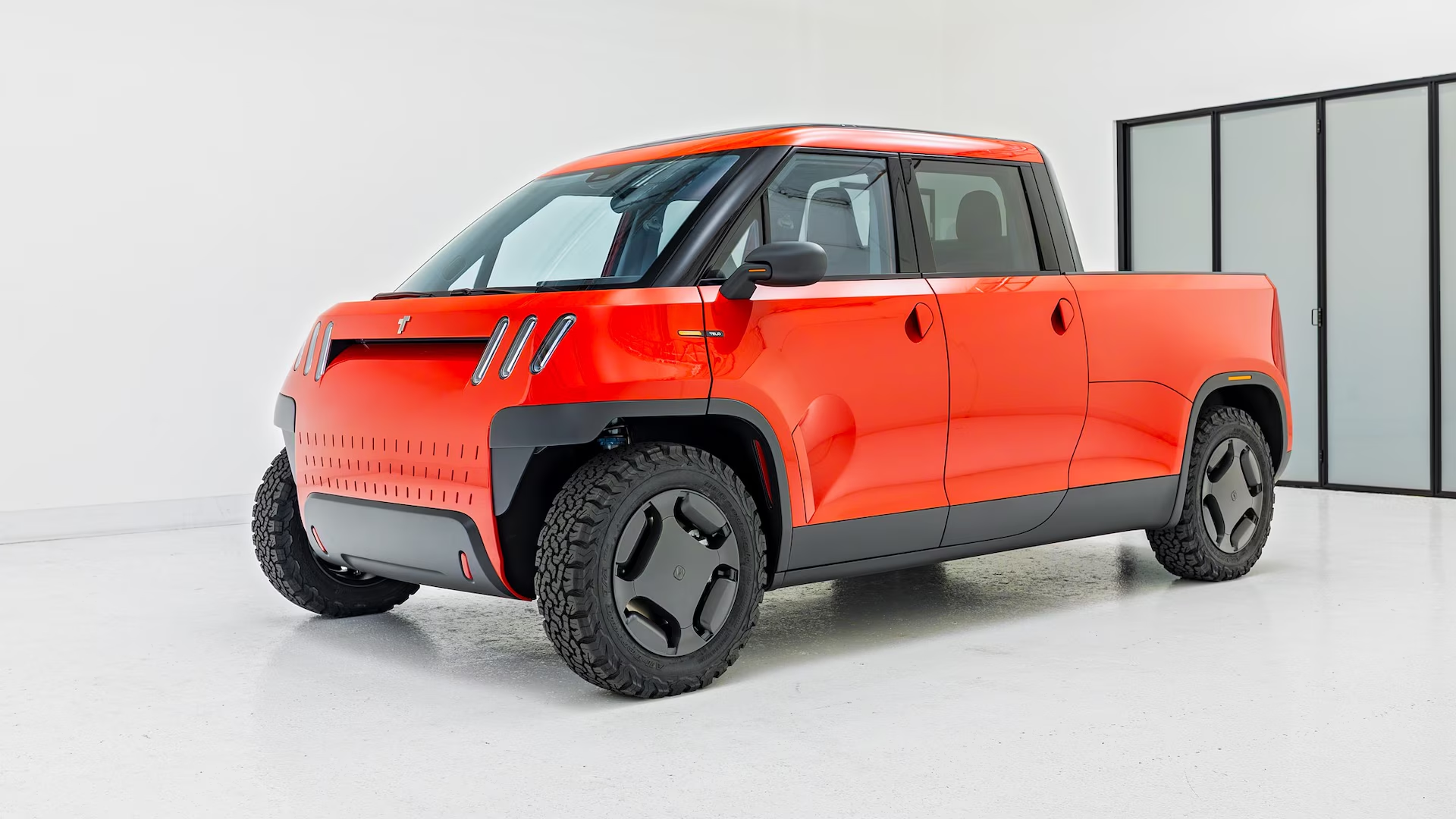
    Small in stature but bold in ambition, the TE MT1 is a fully electric mini truck that blends smart packaging, surprising performance, and quirky design in a way that feels refreshingly new. Built by an electric vehicle startup based in California’s Bay Area, the MT1 is about the size of a Mini Cooper, yet it features four doors, a truck bed, and up to 350 miles of range. Designed for both urban utility and practical work tasks, this little EV could be a big disruptor in the compact pickup segment.

    A compact truck with real capability

    TE MT1 Electric Mini Truck 5

    The TE MT1 stands just 152 inches long—shorter than a Honda Fit—but manages to include four doors and a usable truck bed. It comes in two configurations: a single-motor rear-wheel drive version starting in the low $40,000 range, and a dual-motor all-wheel drive version starting around $46,000. The latter offers 500 horsepower and does 0–60 mph in about four seconds.

    An optional extended-range battery bumps range even further, while initial production is slated to begin in late 2026.

    Exterior quirks and functional flair

    From its all-terrain tires pushed to the corners to the aerodynamically functional body holes channeling air from wheel arches to the side panels, the MT1 breaks conventions. Even its oval headlights and door handles follow a playful design motif. Details like integrated front recovery hooks and clever material choices hint at a vehicle that’s more than just a design experiment.

    Inside: efficient, clever, and commercial-ready

    TE MT1 Electric Mini Truck 3

    The interior offers simplicity and practicality with features like pedestal-mounted front seats, minimizing obstruction from the front wheel wells. A digital gauge cluster with clearly defined sections and a large infotainment screen (currently in pre-production) reinforce usability over complexity.

    Storage solutions abound: dual gloveboxes, a center console with hidden compartments, and generous door storage. Materials like cork and patterned cloth add eco-conscious style, though commercial variants may strip this back for utility.

    A true five-seater with flexible space

    TE MT1 Electric Mini Truck 4

    Rear-seat accommodations are surprisingly good for a vehicle of this size. Despite tight legroom, smart packaging allows decent head and foot space, and the MT1 seats five in total. The rear seat also doubles as a folding midgate, enabling the truck bed to extend to a full eight feet in length—ideal for oversized cargo.

    Storage tunnels, hidden hatches, and power where you need it

    TE MT1 Electric Mini Truck 2

    One of the most inventive features is the “monster tunnel,” a side-accessible, under-bed storage compartment running the width of the vehicle. It’s perfect for storing long items and accessible from both side doors and (potentially) from inside the bed itself.

    The truck bed itself is impressively wide and deep, easily comparable to a midsize pickup like the Tacoma. It includes standard and 240V power outlets and features a hidden tailgate latch and taillight-integrated charging port that displays charge status via lighting.

    On the road: quick, capable, and surprisingly refined

    TE MT1 Electric Mini Truck 3

    Driving the TE MT1 feels more substantial than expected. The forward-positioned cabin recalls vintage VW buses, and the elevated seating gives a commanding view despite the vehicle’s size. Ride quality is commendable, steering is responsive, and the dual-motor version offers thrilling acceleration.

    Still, for most buyers, the single-motor version’s lower price and range will likely be more than enough. The MT1 isn’t trying to be a luxury vehicle—it’s trying to be smart, useful, and efficient. And on that front, it delivers.

    Final thoughts: the little truck that could

    The TE MT1 might be small, but its ambitions are huge. It combines practical electric performance with inventive features and a smart price point. With over 8,500 preorders already logged, the demand is clear. If TE can bring this truck to market as promised, it could change the way we think about urban and utility EVs.

    Inspiration for this article came from the Doug Demuro video:

  • Inside Renault’s Electric Future: A Look at the Douai Factory Transformation

    Inside Renault’s Electric Future: A Look at the Douai Factory Transformation

    Introduction

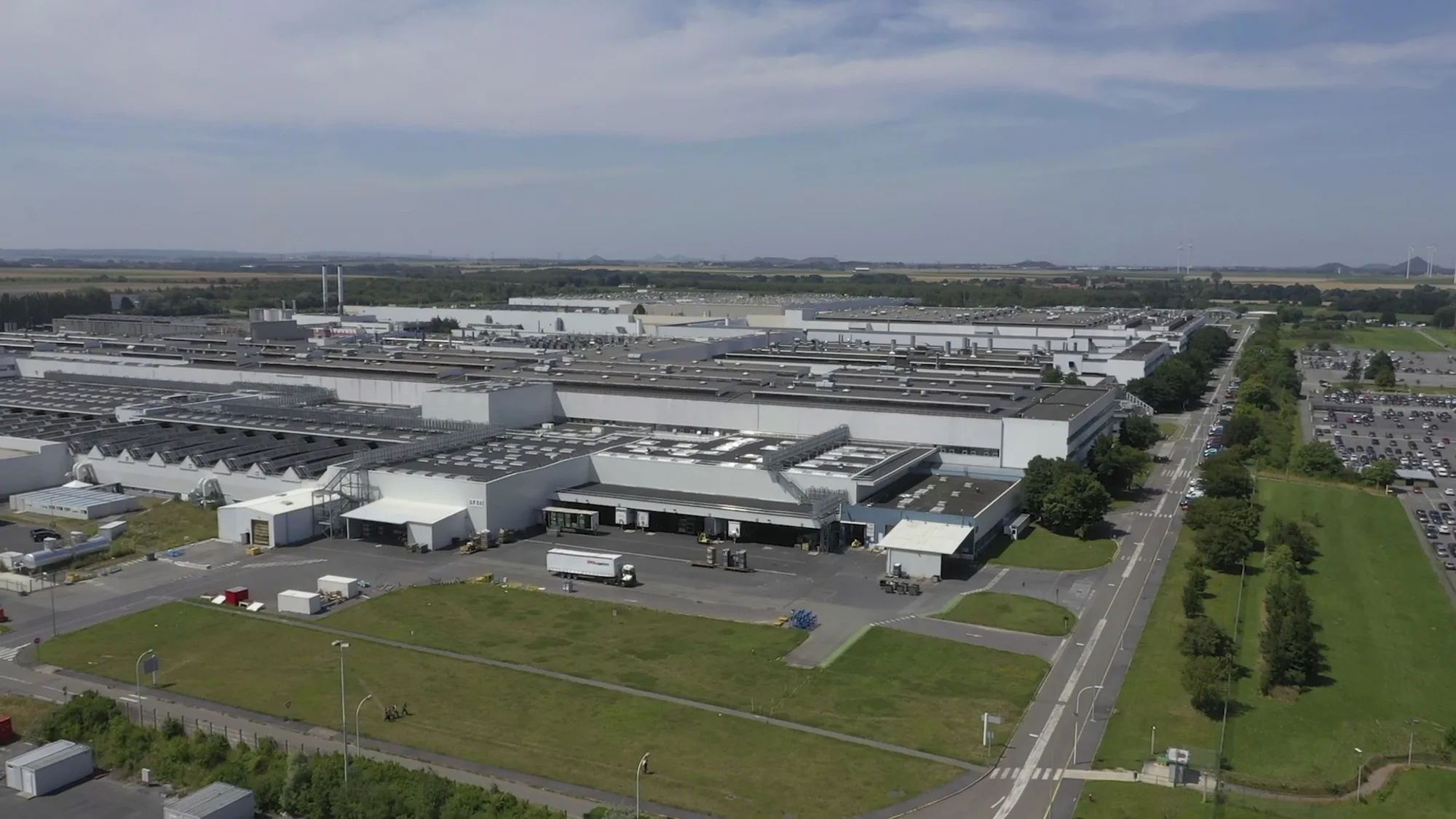
    As automakers race to electrify their lineups, few transformations are as emblematic—or as comprehensive—as what’s unfolding in northern France. The Renault factory in Douai, once known for producing the original Renault 5 in the 1970s, has been entirely reimagined as a high-tech production hub for the electric era. Today, this facility stands as a blueprint for modern EV manufacturing, combining automation, local sourcing, and just-in-time production to deliver some of Europe’s most anticipated electric vehicles.

    This article explores the inner workings of the Douai factory, Renault’s strategic decisions behind its revitalization, and how innovation on the factory floor is shaping the next generation of electric vehicles—including the reborn Renault 5.

    Local sourcing and workforce evolution

    Renault’s Douai plant prioritizes regional integration. Nearly all major components for the vehicles built here are sourced from within a 100-kilometer radius. This approach supports local businesses, reduces environmental impact, and shortens the supply chain.

    The factory employs 2,815 people, with 415 hired specifically for the Renault 5’s production ramp-up. Diversity has also improved, with women now making up 33% of the workforce—up from just 8% a decade ago. The site is in the midst of a long-term goal to reduce production costs by 50% between 2021 and 2029, already achieving a 30% reduction.

    Platform flexibility and production diversity

    r dam 1400962 1

    Renault utilizes two electric vehicle platforms at the Douai facility: AmpR Small and AmpR Medium. These platforms support multiple models, including the Renault 5, Alpine A290, new Nissan Micra, Renault Scenic, and Mégane. This modularity allows Renault to shift production priorities dynamically, depending on real-time market demand.

    Body panel production and robotic precision

    The body panel shop initiates the production process, where structural components such as the floorpan, side panels, and roof are aligned and welded. A network of 900 robots—working across two levels—automates this stage. Cars receive approximately 3,000 spot welds, followed by high-precision laser welding in a restricted-access enclosure.

    Automated logistics and workstation efficiency

    r dam 1401031

    Douai’s internal logistics system is fully automated. Parts are delivered by guided robots, which follow embedded floor tracks and respond to real-time supply needs. Mobile workstations reduce physical strain on employees by moving parts and tools to them, rather than requiring workers to move around the factory floor.

    Each station includes digital tablets that provide real-time instructions customized to the vehicle’s unique build, supporting high levels of personalization.

    Assembly line integration and component installation

    After being painted, each vehicle’s doors are removed for internal assembly and later reattached. This ensures a seamless color match and enables easier access to fit components like dashboards, HVAC systems, soundproofing, and wiring looms.

    The assembly line supports “just-in-time” methodology, minimizing on-site storage and maximizing space efficiency. Radio-controlled carts and color-coded systems help synchronize every step of production.

    Drivetrain and battery system marriage

    Vehicles are placed on mobile skates that carry the drivetrain—including battery packs, axles, suspension, and motor assemblies. The body is then lowered onto this system in a high-speed process known as the “marriage,” where over 60 fasteners are secured in around one minute. Workers then torque suspension struts and connect all necessary mechanical and electrical systems.

    Battery assembly and high-voltage testing

    A key advantage of Douai’s layout is its direct connection to an on-site battery assembly facility located just 300 meters from the main plant. This minimizes transportation emissions and integrates seamlessly into the just-in-time production workflow.

    Renault 5 battery packs come in two sizes: 40 kWh and 52 kWh, while the Scenic uses an 87 kWh unit. Although the physical pack size remains the same, the number of cells inside varies. Every pack is rigorously tested for leakage, thermal management, and high-voltage safety. In the event of a defect, faulty packs are isolated and submerged in water tanks to mitigate fire risks.

    Final assembly, inspection, and quality control

    As the vehicle nears the end of the production line, glass fitting, lighting, soundproofing, crash protection, and interior trim are installed. Vehicles undergo a “first start” systems check, followed by brake testing on a rolling road. Some final quality checks, such as wheel torque verification or sensor installation, may be completed at the dealership.

    A modernized and sustainable production hub

    r dam 1401034 1024x682 1

    The factory’s transformation is not just about electrification, but also about environmental and operational sustainability. The Douai site collects more than 400 million data points per day to monitor and refine energy use, machine performance, and production flow. Solar panels installed across the staff parking area contribute to energy efficiency.

    Workstations are height-adjustable to accommodate varying vehicle sizes, from low-slung hatchbacks like the Renault 5 to taller crossovers like the Scenic.

    Integration with nearby gigafactory

    Adjacent to the main plant is a gigafactory operated by Renault’s battery partner, AESC. Battery cells and modules are produced on-site, then immediately delivered to the assembly line. This vertical integration enables Renault to reduce its carbon footprint while accelerating production timelines.

    With production currently at one vehicle per minute, Renault is ramping up to 700 cars per day to meet increasing demand for its electric lineup.

    Conclusion

    Renault’s Douai factory is more than a historic site—it’s a model for EV manufacturing in the modern era. Through a combination of automation, local sourcing, modular platforms, and in-house battery integration, the plant represents a strategic shift in how electric cars are designed, built, and delivered.

    As the Renault 5 rolls off the line—reborn as a modern electric vehicle—it carries with it not just decades of heritage, but also the future of accessible European EV production.

    Article inspired by The Late Brake Show video.