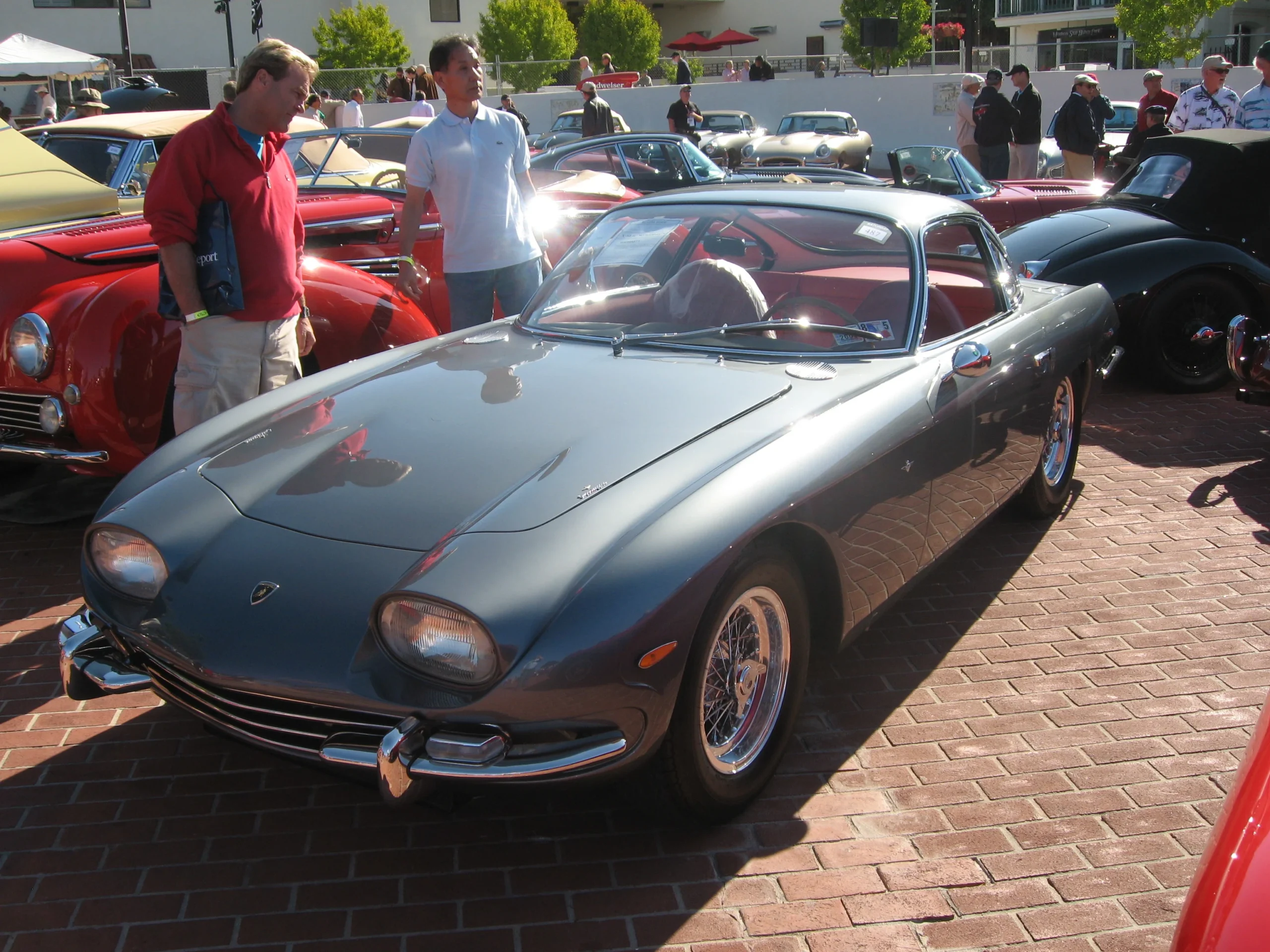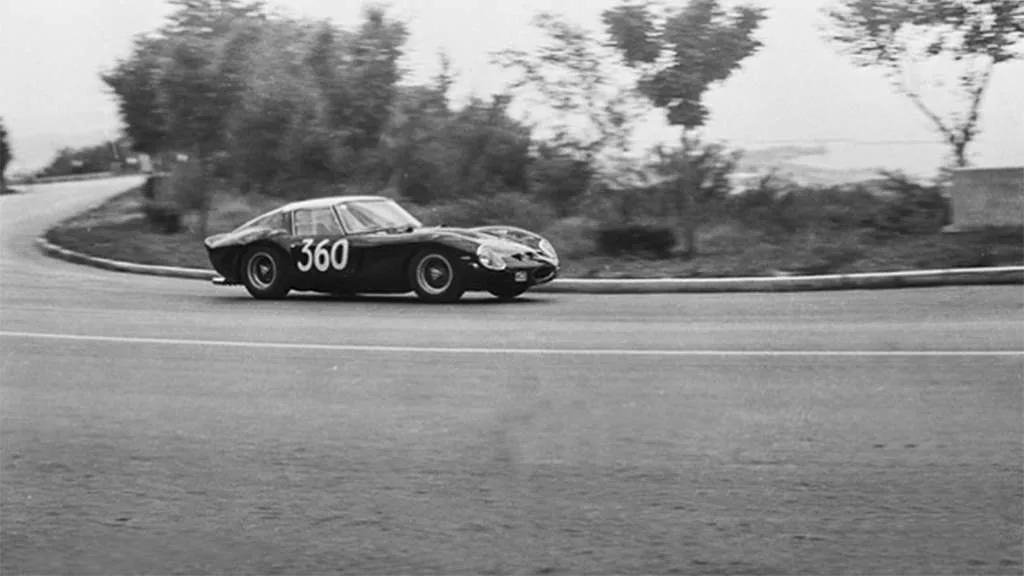
The Ferrari 250 GTO is routinely described as the most beautiful car ever made. It is certainly among the most valuable — examples have changed hands for upwards of $70 million, making it the most expensive car ever sold at auction. Museums display it. Collectors insure it for sums that beggar belief.
What those same museums rarely explain is that the GTO’s entire existence depended on Ferrari lying to the governing body of motorsport.
What Homologation Means
To understand the fraud, you need to understand the rule it was designed to circumvent.
In the early 1960s, the FIA — the body that governs international motorsport — required that any car competing in the GT class had to be a genuine production model. Specifically, a minimum of 100 examples had to be built and sold to road-going customers. The rule existed to prevent manufacturers from simply building purpose-made race cars and entering them as “grand tourers.” It was a safeguard against exactly the kind of thing Ferrari was about to do.
The 250 GTO was designed from the outset as a racing car. It was developed by Giotto Bizzarrini — who would shortly afterwards be fired in the Palace Revolt of 1961 and go on to work for Lamborghini — and refined by Carlo Chiti and Mauro Forghieri. It was lightweight, aerodynamically aggressive, and tuned for endurance racing. It was not, in any meaningful sense, a road car that happened to go racing.
Ferrari told the FIA it was.
The Application
When Ferrari submitted the GTO for homologation in 1962, they claimed it was a development of the existing 250 GT — a genuine road car of which more than 100 had been produced. The GTO, Ferrari argued, was simply an evolution of that platform, not a new model. Under FIA regulations, a genuine evolution of an already-homologated car did not require a fresh production run of 100 units.
It was, at best, a creative interpretation of the rules. The GTO shared a basic engine architecture with the 250 GT, but its chassis, body, aerodynamics, and intended purpose were entirely different. It was a racing car with a thin legal argument stretched over it like bodywork.
The FIA accepted the application. Enzo Ferrari’s personal relationships within the governing body, his team’s racing prestige, and the sheer confidence of the submission all contributed to an outcome that, by any objective reading of the regulations, should not have gone the way it did.
The Numbers
Ferrari ultimately built 36 GTOs between 1962 and 1964. The homologation requirement was 100. The gap between the claimed figure and the reality was not marginal — it was 64 cars. Ferrari produced barely a third of what the rules required, and raced the car internationally for three seasons regardless.
During that time, the GTO won the GT class at Le Mans, took three consecutive GT World Championship titles, and cemented itself as the definitive racing machine of its era. Every one of those victories was built on a regulatory filing that bore only a passing relationship to the truth.
The Aftermath — And the Price
The FIA eventually tightened its homologation rules significantly, partly as a consequence of exactly this kind of creative compliance. The loophole Ferrari had exploited — claiming an evolution rather than a new model — was closed. Future manufacturers looking to bend the production requirement would have to find different methods, which of course they did.
For the GTO, the fraud had an ironic consequence. Because only 36 were built, and because every one of them is documented and authenticated, the car became extraordinarily rare. Rarity, in the collector market, translates directly to value. The lie that allowed Ferrari to race the GTO with fewer cars than the rules required is precisely why each surviving example is now worth eight figures.
Had Ferrari genuinely built 100, they would be worth a fraction of what they are today.
What the GTO Tells Us About Ferrari
Enzo Ferrari was not, by any account, a man who followed rules he found inconvenient. The GTO is perhaps the clearest expression of that philosophy — a car that existed because its creator decided the regulations were an obstacle to be navigated rather than a constraint to be respected.
What makes it remarkable, beyond the beauty of the car itself, is that it worked. Not just on the track, but in the long sweep of history. The 250 GTO is now an icon. Its origins in regulatory deception have become a footnote, a colourful detail rather than a disqualifying one.
It is worth asking whether any other product, in any other industry, has converted fraud into legacy so completely.