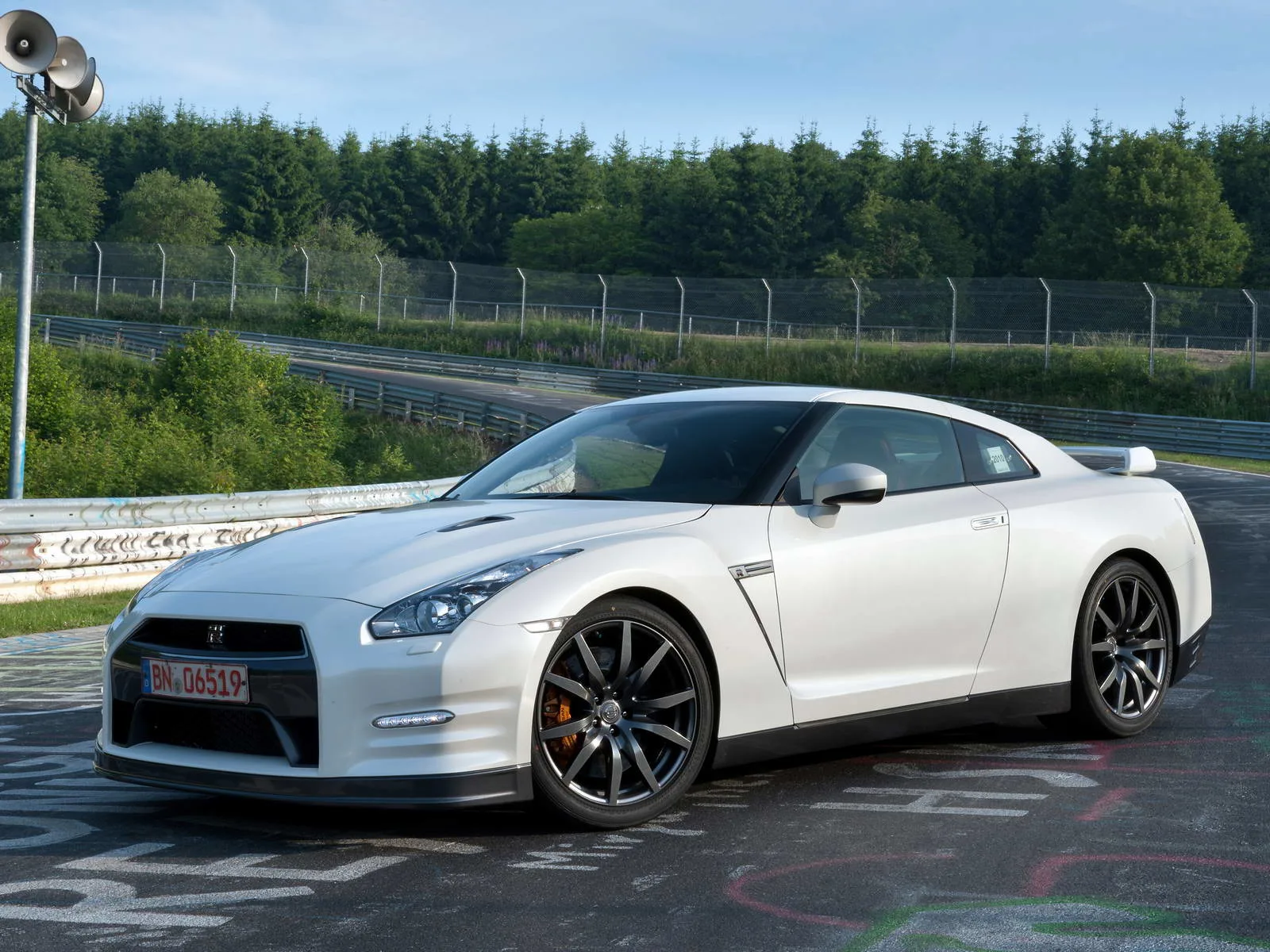
And it drove differently when it got there.
In 2008, Nissan launched the R35 GT-R with a claim that few believed: a sub-8-minute Nürburgring lap time for a production car costing around $70,000. Porsche’s 911 Turbo, at twice the price, couldn’t match it. Enthusiasts were sceptical. Journalists wanted to know how.
Part of the answer was engineering. But part of it was something stranger: the GT-R knew it was there.
The Car That Could Read a Map
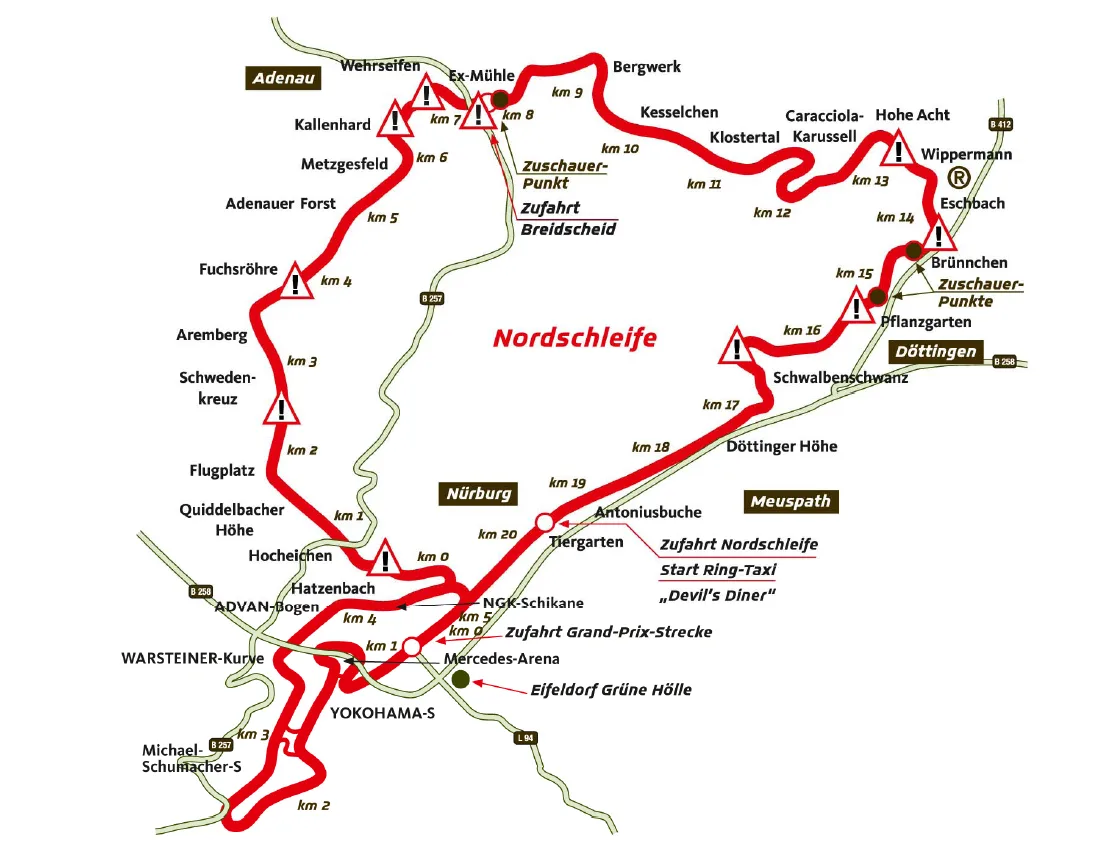
Embedded in the R35’s vehicle dynamics computer was a GPS coordinate database. Among the locations stored in that database was the Nürburgring Nordschleife. When the car detected it was within those coordinates, it unlocked a set of performance parameters that were otherwise electronically suppressed during normal road driving.
Specifically, launch control — the system that allows a driver to build maximum revs against the brakes and then release for an optimised standing start — was only fully accessible at the Nürburgring. On public roads, the system was restricted. On the Ring, it opened up.
Nissan’s reasoning was practical as much as legal. Launch control, used repeatedly on public roads, causes significant drivetrain stress. The system was designed for track use. Tying its full availability to a GPS location was their way of enforcing that intent without physically disabling the feature.
It was also, quietly, a masterstroke of engineering theatre. The car literally knew when it was somewhere worth performing.
The VDC Delete Controversy
The GPS trick was only one layer of the GT-R’s Nürburgring story. The deeper controversy surrounded Nissan’s own test drivers and the lengths they went to during the record lap.
For the official timed run, the vehicle dynamics control system — the electronic stability programme that corrects oversteer and understeer — was partially overridden. The tyres used were warmed to a specific temperature window before the lap began. The car was, in short, prepared in a way that was technically legal but practically unrepeatable by a customer buying one off the forecourt.
When the automotive press attempted to replicate the lap time independently, they couldn’t match it. Not by much — the GT-R was still extraordinarily fast — but the gap between Nissan’s official claim and what independent testers could achieve became a minor scandal in enthusiast circles.
Nissan’s position was that their time was legitimate. What they were less forthcoming about was quite how specifically the car had been prepared to achieve it.
What the GT-R Was Really About
To understand why any of this matters, you need to understand what the GT-R was supposed to represent. Nissan’s internal brief for the R35 was essentially: build the fastest car we can for the least money possible. Not fast for a Japanese car. Fast, full stop.
The chief product specialist, Kazutoshi Mizuno, ran the programme with an obsessiveness that bordered on the religious. He personally logged hundreds of laps at the Nürburgring during development. The GT-R’s suspension tuning, its AWD torque split logic, its dual-clutch gearbox calibration — all of it was developed around that one circuit, which Mizuno considered the most complete test of a performance car on earth.
The GPS feature, in that context, wasn’t a gimmick. It was an expression of the car’s entire development philosophy. The Nürburgring wasn’t just where Nissan tested the GT-R. It was, in a meaningful sense, what the GT-R was built for.
The Fallout
The controversy had consequences. In 2009, following pressure from competitors and press scrutiny of the record claims, Nissan issued a software update for the GT-R that, among other changes, altered the launch control availability. The GPS-based unlock was modified. Some interpreted this as Nissan quietly admitting the original setup had been borderline. Others saw it as unnecessary capitulation to competitors who simply couldn’t match the car’s performance.
Either way, the original R35 launch cars — those first production units with the unmodified GPS feature intact — became a footnote in the GT-R’s history. A reminder that sometimes the most interesting thing about a car isn’t what’s under the bonnet. It’s what’s in the software.
Why This Still Matters
The GT-R’s GPS story predates the era of over-the-air software updates, connected cars, and manufacturer-controlled performance unlocks by more than a decade. What seems almost quaint about it now — a car detecting a GPS location to change its behaviour — is now standard practice across the industry. Track modes, location-based speed limiters, adaptive software profiles tied to real-world geography: all of it has roots in exactly what Nissan was doing in 2008.
They didn’t just build a fast car. They built a car that understood context. And in doing so, they quietly changed what people expected from the software inside performance cars.