Finding the right car storage option in Toronto isn’t always straightforward. With long winters, heavy road salt, and limited urban parking, choosing between indoor and outdoor storage can make a big difference in how well your vehicle is protected. This guide explores the pros, cons, and costs of each option so you can decide what works best for your car — and your budget.
Why Storage Choice Matters in Toronto
Toronto and Etobicoke drivers face unique challenges when it comes to vehicle storage. Freezing temperatures, slush, and corrosive road salt can quickly damage an unprotected car. At the same time, limited driveway or garage space in the city means many owners need to look for professional storage solutions. Whether you own a daily driver, a luxury vehicle, or a classic car, choosing the right storage type helps preserve your investment and ensures your car is ready for the road when the season changes.
Indoor Car Storage: Pros and Cons
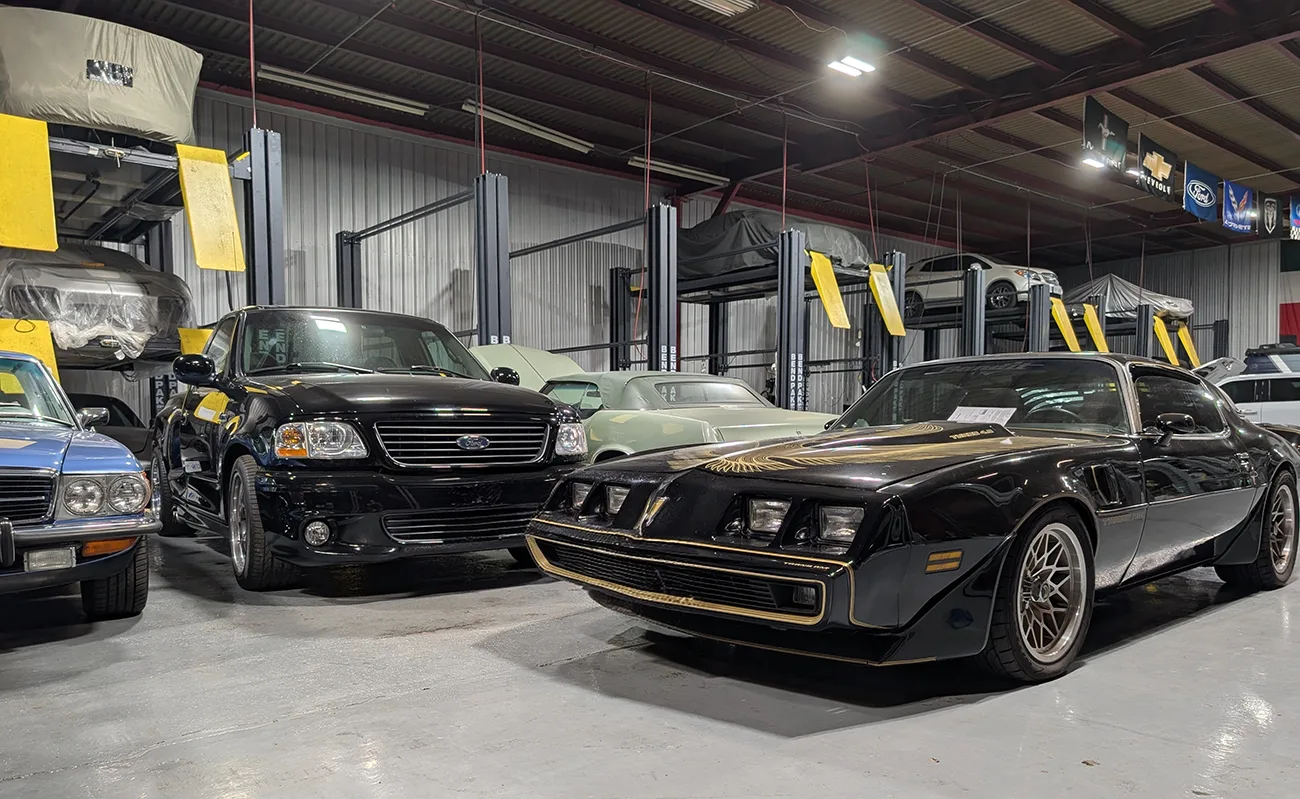
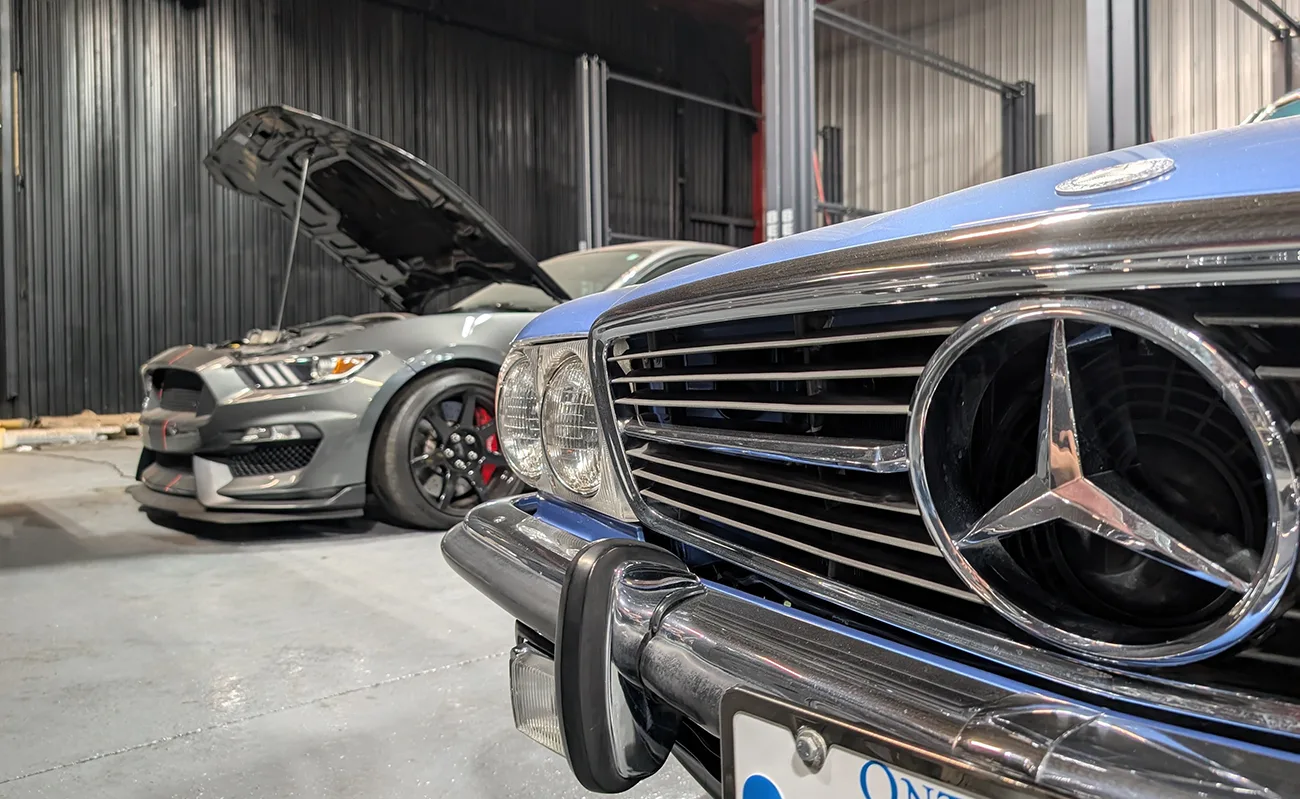
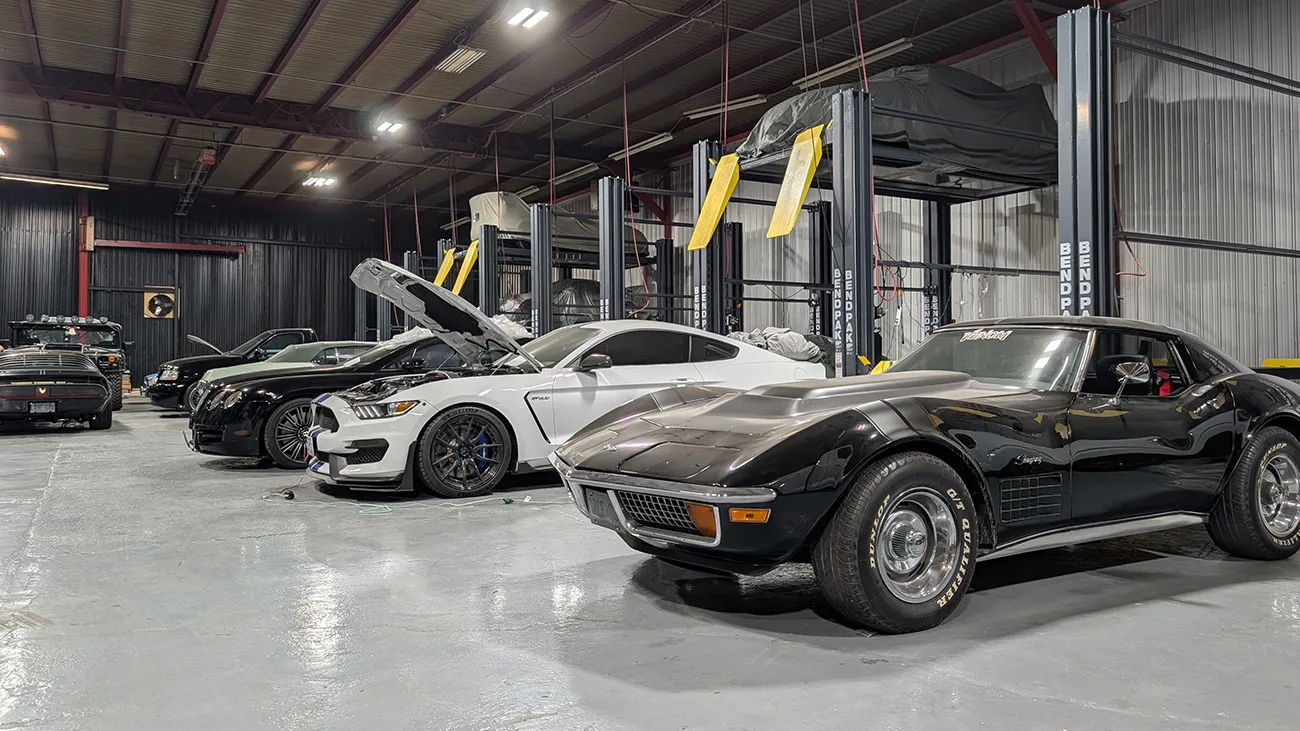
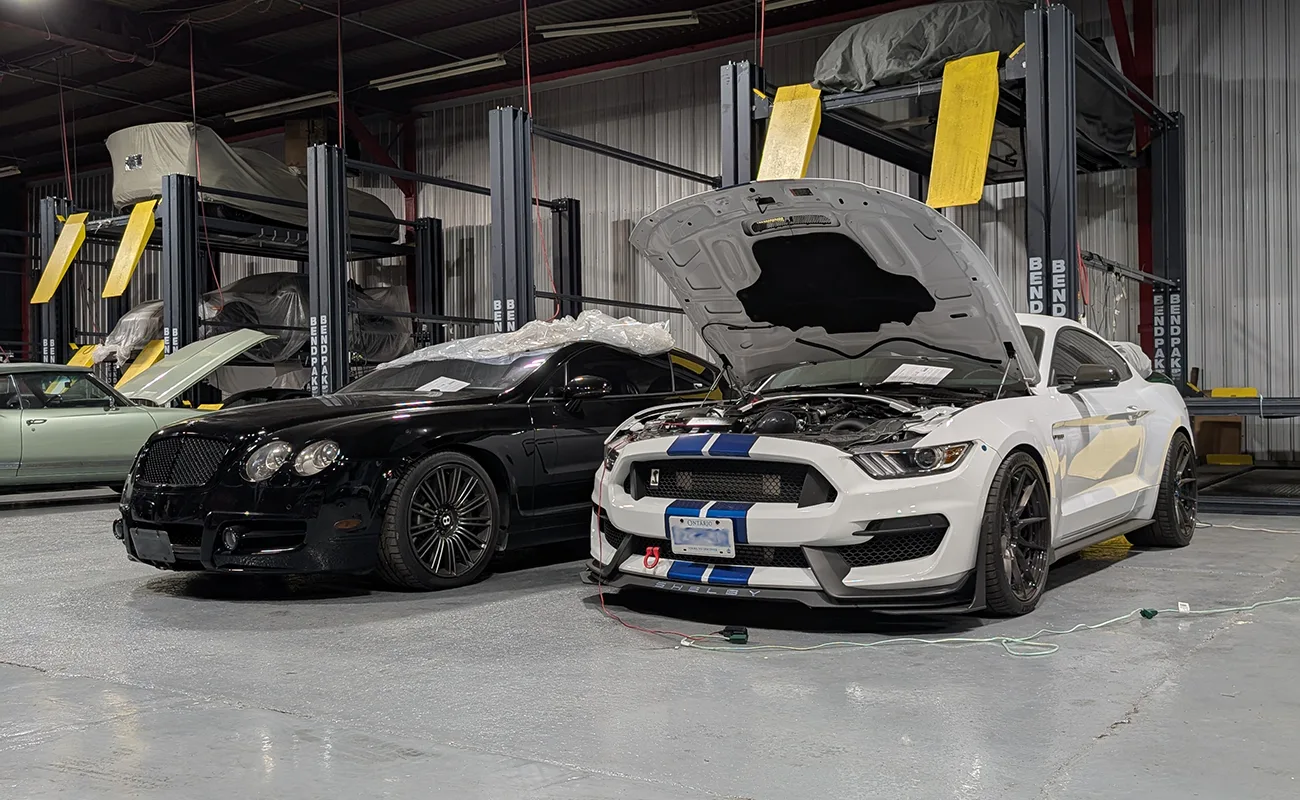
Indoor storage is the gold standard for protecting vehicles in Toronto’s climate. Most facilities offer heated or fully climate-controlled environments, giving enthusiasts peace of mind through the harsh winter months. Here are the main advantages and drawbacks:
Pros of Indoor Car Storage
- Climate control: Protects against freezing temperatures, condensation, and road salt damage.
- Security: Indoor facilities often provide 24/7 surveillance, gated access, and alarm systems.
- Battery maintenance: Many services include trickle charging or battery monitoring so your car starts right up in spring.
- Pest protection: Sealed environments prevent rodent or insect damage.
- Ideal for collector and luxury cars: Preserves paintwork, tires, and interiors with minimal risk of wear.
Cons of Indoor Car Storage
- Higher monthly cost: Typically $250–$400+ per month in Toronto, depending on location and amenities.
- Limited availability: Premium indoor spaces often book out months in advance.
- Less convenient access: Some facilities restrict hours or require advance notice to retrieve your vehicle.
Outdoor Car Storage: Pros and Cons
Outdoor storage is often the more affordable option, but it comes with trade-offs. Some Toronto facilities provide outdoor spaces within secure lots, while others are simple open-air parking spots. Here’s what to consider:
Pros of Outdoor Car Storage
- More affordable: Average costs range from $100–$200 per month in Toronto.
- Greater availability: Easier to find outdoor spaces across the city and Etobicoke.
- Suitable for short-term storage: Works well if you need a temporary parking solution.
Cons of Outdoor Car Storage
- Weather exposure: Snow, ice, and rain can cause rust, paint damage, and tire wear.
- Temperature swings: Freeze-thaw cycles may impact seals, fluids, and batteries.
- Pest risk: Outdoor lots can attract rodents seeking shelter in engine bays.
- Less secure: Although fenced, outdoor spaces may be more vulnerable to theft or vandalism.
Cost Comparison: Indoor vs. Outdoor Car Storage
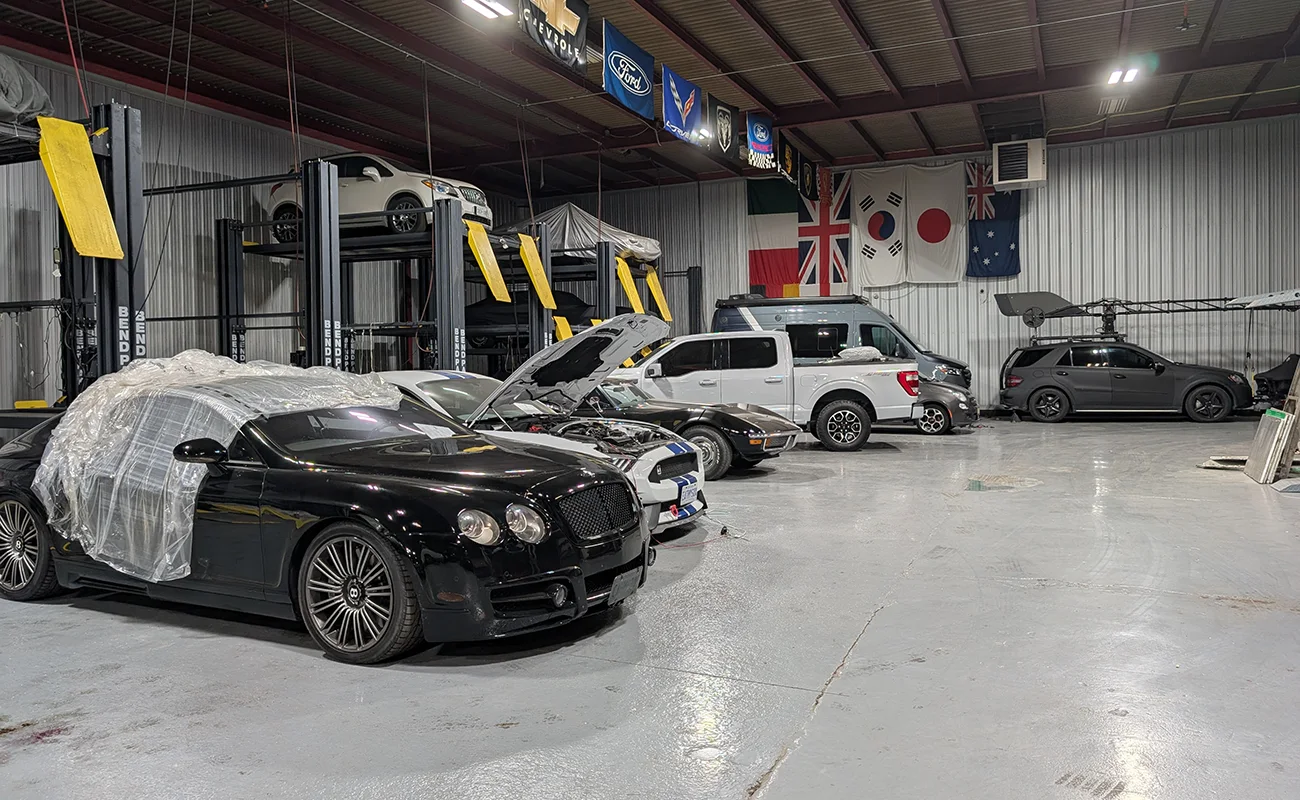
Storage costs in Toronto vary widely based on location, services, and facility quality. Here’s a quick comparison of what to expect:
- Indoor storage: $250–$400+ per month (climate-controlled, heated, with added services such as battery maintenance).
- Outdoor storage: $100–$200 per month (secure lot parking, no climate protection).
Additional factors that affect pricing include insurance coverage, accessibility (24/7 vs. restricted hours), and the size of your vehicle (sedan, SUV, or oversized classic).
Which Storage Option Is Best for You?
The right choice depends on your vehicle and how you use it:
- Classic or collector cars: Indoor storage is strongly recommended to preserve value and condition.
- Luxury or performance vehicles: Climate-controlled indoor storage ensures protection for paint, electronics, and interiors.
- Daily drivers or short-term storage: Outdoor options can work if paired with a high-quality car cover and fuel/battery preparation.
For long-term peace of mind, many Toronto and Etobicoke owners choose indoor storage with added maintenance services.
Checklist: What to Look For in a Car Storage Facility
When comparing Toronto car storage providers, prioritize facilities that offer:
- Climate control or heated indoor spaces
- 24/7 monitored security and gated access
- Battery maintenance and tire rotation services
- Pest-free, clean environments
- Transparent pricing and insurance options
Protect Your Car This Winter
Choosing the right storage option makes all the difference in Toronto’s harsh climate. While outdoor storage is budget-friendly, indoor facilities offer unmatched protection for valuable vehicles.
Looking for a trusted car storage solution in Toronto or Etobicoke?
- Starting at only $250/month
- Climate-controlled indoor storage to guard against winter cold, salt, and moisture
- 24/7 security and monitoring for peace of mind year-round
- Battery maintenance and trickle charging so your car is ready in spring
- Pest-free, clean facilities to protect interiors, tires, and finishes
Indoor vs. Outdoor Car Storage in Toronto: FAQs
Is indoor car storage worth it in Toronto?
Yes — indoor car storage provides the best protection against Toronto’s winter conditions. Heated or climate-controlled facilities shield your vehicle from snow, salt, and moisture, while also offering 24/7 security and battery maintenance. It’s the preferred choice for luxury, classic, or collector cars.
How much does outdoor car storage cost in Toronto?
Outdoor car storage in Toronto typically costs between $100 and $200 per month.
It’s more affordable than indoor storage, but your vehicle remains exposed to snow, ice, and temperature swings. A quality car cover can help, but long-term protection is limited compared to indoor facilities.
Can I store a daily driver outdoors during winter?
You can store a daily driver outdoors if you take precautions: wash and wax the exterior, apply undercarriage protection, inflate tires properly, and use a breathable, weather-resistant car cover. However, for long-term storage or valuable vehicles, indoor storage in Toronto or Etobicoke is much safer.
What should I look for in a Toronto car storage facility?
Look for a facility that offers climate control or heated spaces, 24/7 monitored security, battery maintenance, pest-free environments, and transparent pricing. Indoor facilities in Toronto and Etobicoke that provide these services offer the best long-term protection for your vehicle.